
Category: Uncategorized

  • Lifelong Learning and Global Service: Chief Michael Visser’s Journey in EMS

    2024-10-04T00:00:00+00:00
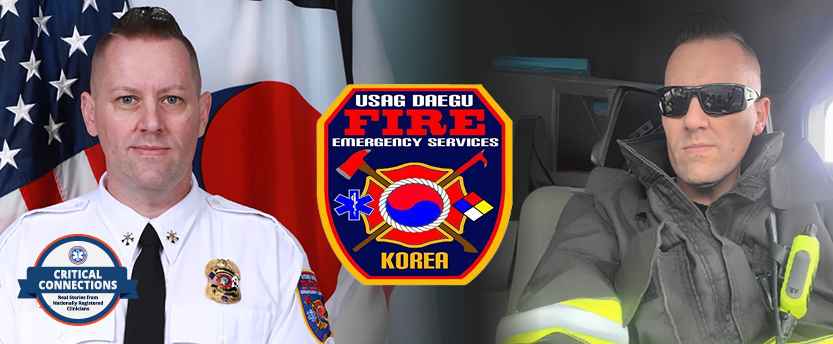
    From an air base fire station in South Korea, Assistant Chief and Emergency Medical Technician (EMT) Michael Visser was the first person to complete National Registry of Emergency Medical Technicians (National Registry) recertification for the 2024-2025 cycle. This achievement underscores Visser’s dedication to staying ahead in the fast-paced, ever-evolving world of Emergency Medical Services (EMS). With a career spanning more than 25 years, Visser’s commitment to continuous education and professional development has been a key factor in his success, allowing him to rise through the ranks and take on leadership roles around the world. 

    A Journey Rooted in Education and Certification 

    Chief Visser’s EMS career began in 1997 when he earned his first EMT certification through Rio Hondo Fire Academy in California. From there, his career took him across state lines and even overseas, working with various military and civilian fire departments. In 2015, he earned his NREMT certification—a decision that opened the doors to greater flexibility in his career. 

    “As a Nationally Registered EMT, it allows me to travel the world with ease, and it opens doors to places once not attainable with only a state certification,” explains Visser. “Being nationally registered, I’ve been able to work in Texas, Virginia, Alaska, and now Daegu, South Korea. Having the ability to take the same certification anywhere, without having to take a test and pay more money each time, makes big changes easier.” 

    Why National Registry Certification Matters 

    For Visser, the importance of holding a National Registry certification goes beyond just career mobility. It represents a standardized level of excellence recognized across the United States and internationally, ensuring that EMTs like him can meet the demands of different regions and protocols without having to go through redundant testing or training. 

    “Being nationally registered opens so many doors,” says Visser. “It’s not just about being able to move from one state to another—it’s about knowing that wherever you go, you’re held to the same high standards of care.” 

    This standard has been especially beneficial to Visser, who has spent much of his career working on military bases for the U.S. Army, Navy, Marines, and Air Force. Whether stationed in Texas or South Korea, his National Registry certification ensures he can operate at the same level of competency, no matter where the job takes him. 

    The Importance of Lifelong Learning in EMS 

    Beyond certification, Chief Visser is a firm believer in the power of continuous education. In a field as dynamic as EMS, where new techniques, equipment, and protocols are constantly being developed, staying updated is crucial to providing the best possible care. 

    “Everything changes,” Visser notes. “As first responders, we learn new ways to do the same job all the time. Staying on top of the best lessons learned or a new technique is, in my mind, a best practice. It’s how we do better for our team and for safety. Taking care of your customers—your patients—should be your first priority, and you can only do that if you’re the best trained and educated to your local protocols.” 

    The National Registry, according to Visser, plays an essential role in this ongoing education. Recertification helps ensure that EMTs across the country are prepared to handle the latest challenges and standards in emergency care. 

    “It’s about doing better for your team and, ultimately, for your patients,” says Visser. “The National Registry plays a crucial role in helping us do better.” 

    Advice for New EMS Personnel: Stay Curious and Ask Questions 

    For those just starting out in EMS, Chief Visser offers simple but powerful advice: stay curious and never hesitate to ask questions. Whether it’s during training or on the job, he encourages new EMTs to seek out every opportunity to learn and grow. 

    “If you want to be the best at what you do, ask all the questions you can, even if you think they’re dumb,” says Visser. “Nine times out of ten, everyone else wants to know the same thing. Don’t fear the unknown—take it as a challenge. Treat knowledge like Legos—strive to get every question answered so you can be the best for your team and patients.” 

    Visser’s emphasis on curiosity reflects his own career, where he has continuously sought to expand his skills and adapt to new environments. His approach has not only allowed him to excel in EMS but also made him a valuable mentor to others in the field. 

    A Career Shaped by Military Service 

    Over the course of his career, Chief Visser has worked on 11 different military bases, gaining experience in various environments and learning from a diverse range of professionals. His time with the U.S. Army, Navy, Marines, and Air Force has given him a broad perspective on EMS and firefighting, helping him become a more effective leader. 

    “The best thing about working on military bases is all the people who I’ve learned from and helped mentor,” says Visser. “I’ve worked for four branches, and it’s opened my eyes to so many different ways of doing the same job. I’ve gained knowledge and life experiences I wouldn’t have had if I stayed put in one small town. The military fire service has broadened my horizons in ways I couldn’t have imagined.” 

    Visser’s experience in the military fire service also allowed him to take the skills he learned early in his career—starting as a Fire Explorer with the Los Angeles County Fire Department—and apply them on a much larger, more global scale. 

    Final Thoughts: The National Registry Makes It Easy to Stay on Track 

    For Chief Visser, one of the greatest advantages of the National Registry is its ease of use, particularly when managing certifications from remote or international locations. The National Registry’s online resources have made it possible for him to keep track of his recertifications, no matter where his career takes him. 

    “Thank you to the National Registry for the recent upgrades to their website,” says Visser. “It’s so easy now to keep track of everything and be anywhere in the world while keeping things up to date!” 

    In a profession where the stakes are high and the demands are ever-changing, Chief Visser’s career is proof that staying educated and maintaining National Registry certification are two keys to long-term success and the highest quality of care for the communities served. 

     Read More Articles In The Critical Connection Series
    James Avery – “An Unexpected Destiny – How One EMS Provider Discovered Sometimes Fate Has Other Plans”
    Randy Brinckman – “From Special Forces to a special career”
    Jessica Cervantez – “Be A Rock In The Moment People Are Falling Apart”
    Savanna Coker – “Waves of change: A departure from the Baywatch narrative”
    Claire Countryman & Chris Ruggiero – “The next chapter could save a life”
    John Nemes – “The journey of an EMS chief”
    Tom Perreault – “43 Years Down and a Lifetime to Go”
    Justin Solobay – “A Night To Remember”
    Meryah Wilson – “Calm and collected; an Ohio paramedic makes history with her city’s department”
    Bill Wood –  “50 Consecutive Years Of National Registry Certification”

    Media Contact:
    Shane Cartmill
    Public Relations and Media Manager    
    scartmill@nremt.org
     

  • State of New York to Utilize National Registry of EMTs as Recognized Pathway for EMS Certification

    2024-09-20

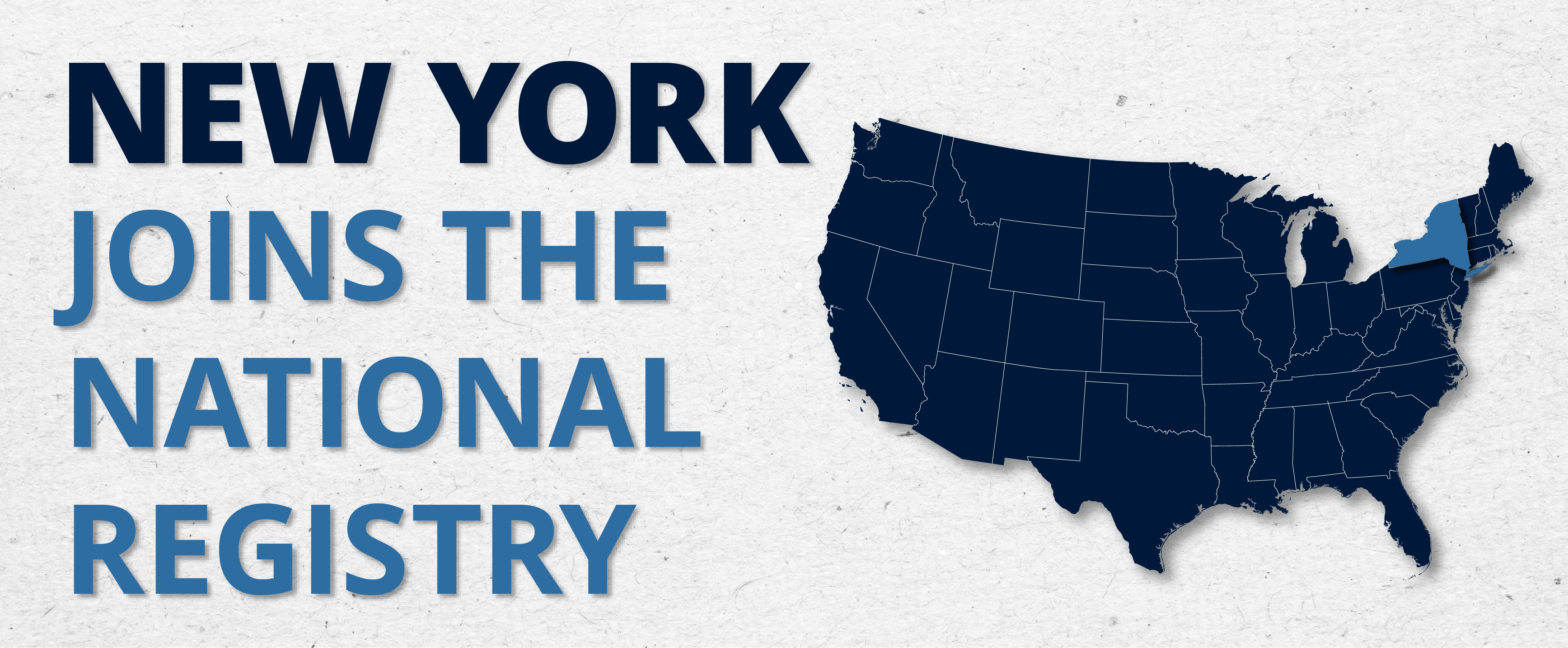
    Columbus, Ohio – The National Registry of Emergency Medical Technicians (National Registry) proudly announces that the State of New York now officially recognizes the National Registry as an accepted pathway for EMS certification, in accordance with New York State Policy 24-06 EMS Provider Certification and Identification. This decision marks a significant milestone for New York’s Paramedics, Advanced Emergency Medical Technicians (AEMTs), and Emergency Medical Technicians (EMTs), making it the 50th state to adopt this recognition. 

    This transition to the National Registry’s certification process demonstrates a leap forward for New York’s EMS system. The National Registry has been setting the national standard for EMS certification since 1970, ensuring that emergency medical professionals meet standardized competency levels while fostering consistency in patient care across the country. Accredited by the National Commission for Certifying Agencies (NCCA), the accreditation body of the Institute for Credentialing Excellence, the National Registry maintains accreditation for each of the four certification programs: Emergency Medical Responder (NREMR), Emergency Medical Technician (NREMT), Advanced Emergency Medical Technician (NRAEMT), and Paramedic (NRP). 

    Currently, there are 520,000 Nationally Registered clinicians across four EMS levels, and this partnership ensures that New York’s EMS clinicians are evaluated and certified according to national standards. 

    Impact of the New Certification Pathway 


    By utilizing the National Registry’s nationally vetted certification and recertification examinations, EMS students and current clinicians in New York will benefit from a consistent and standardized process. This not only ensures the level of care but also expands career opportunities, as the National Registry’s certification is recognized across 49 other states, allowing for reciprocity and flexibility in the profession.  

    With more than 6,200 Nationally Registered EMS clinicians currently operating in New York, the recognition of the National Registry is expected to further boost these numbers as more EMS professionals pursue certification through this streamlined and recognized pathway. This decision highlights the state’s dedication to strengthening its emergency medical services system and to better ensuring protection of New York’s citizens and visitors. 

    Chief Executive Officer Statement 

    “Our partnership with New York reflects a shared commitment to ensuring that all EMS clinicians have the knowledge and skills required for competent practice and are prepared to deliver quality care to their communities,” said Bill Seifarth, chief executive officer of the National Registry of Emergency Medical Technicians. “This move reinforces the importance of national consistency in emergency medical services, and we are proud to welcome New York to join our efforts in maintaining excellence in EMS care.” 

    The National Registry continues to work alongside state EMS offices, educators, and clinicians to uphold these standards and improve the quality of emergency medical care nationwide. 

    Media Contact:
    Shane Cartmill
    Public Relations and Media Manager    
    scartmill@nremt.org

    About the National Registry of Emergency Medical Technicians 

    The National Registry, established in 1970 as a non-profit organization, is the Nation’s Emergency Medical Services Certification organization. The National Registry is accredited by the National Commission for Certifying Agencies (NCCA), the accreditation body of the Institute for Credentialing Excellence. The National Registry maintains NCCA accreditation for each of the four certification programs: Emergency Medical Responder (NREMR), Emergency Medical Technician (NREMT), Advanced Emergency Medical Technician (NRAEMT), and Paramedic (NRP). Credentialing protects the public, assures consumers that professionals have met standards of practice, advances the EMS profession, and establishes standards of professional knowledge, skills, and practice. Additional information is available at NREMT.org and LinkedIn, Facebook, Instagram, YouTube, Reddit, and X. 

  • CAPCE, National Registry team up for improved recertification process

    2025-09-22

    UPDATE FOR 2025/2026: 
    • Effective immediately, the CAPCE credit import process will assign credits to a single national component topic, rather than potentially distributing credits across five separate national component topics.
    • Once the required national component topic has been satisfied, all remaining CAPCE credits will be automatically allocated to the state/local component, and subsequently to the individual component, as applicable. 

    (Columbus, Ohio)
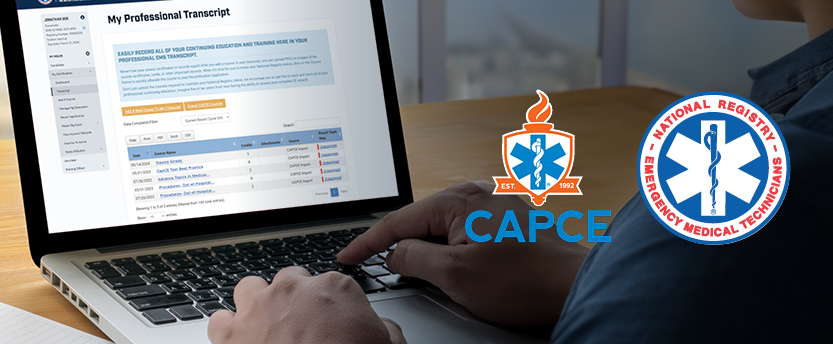
      The Commission on Accreditation for Pre-Hospital Continuation Education (CAPCE) and the National Registry of Emergency Medical Technicians (National Registry) today announced an improvement to the CAPCE Import Tool that will save clinicians time and increase accuracy when submitting continuing education courses to the National Registry during the recertification process, beginning October 1, 2024.

    When a clinician imports a CAPCE-approved course into their National Registry transcript, the system will now automatically assign the course to the appropriate National Continued Competency Program (NCCP) domain(s) – airway, cardiology, trauma, medical, or operations. Depending on the number of credits needed in each domain, the web tool can also assign remaining credits to other domains and NCCP components in a top-down order. This ensures the credits are efficiently and effectively assigned for the clinician.

    “This will make the National Recertification process much easier and quicker for clinicians by automatically assigning the CAPCE-approved course to the needed domain and removing any guesswork,” said Bill Seifarth, chief executive officer of the National Registry. “This is one of the features clinicians have asked for the most, and we are happy to work with CAPCE to deliver it.” 


    “By mapping CAPCE courses to the appropriate NCCP domains, we have eliminated one of the biggest hurdles in the National Registry recertification process,” said Jay Scott, executive director of CAPCE. “We made big advancements in 2018 with the automatic import of courses to the National Registry and this takes us to the next level in assisting EMS clinicians. Collectively, we hope this upgrade in the data sharing process between CAPCE and NREMT makes the recertification process easier and more efficient.” 

    Clinicians will be happy to note this new capability will work with one, two, or multiple CAPCE courses. The clinician will simply select the appropriate course or courses from their transcript and the web tool will then automatically assign them to the appropriate NCCP domain, as needed. 

    Clinicians may manually override or edit the automatic course assignment, if needed. However, tests between CAPCE and the National Registry have shown that the feature likely will not be needed in most cases.  

    As noted, the new feature will go live on October 1, 2024, the beginning of the next recertification cycle for EMTs, AEMTs, and Paramedics. The new feature is just one of several enhancements made to improve the recertification process. More information on the developments will be made available on the National Registry’s website and social media channels. 

    Media Contacts:
    Shane Cartmill for the National Registry
    Public Relations and Media Manager    
    scartmill@nremt.org
    and
    Aubree Barnes for CAPCE
    Marketing Manager    
    aubree@capce.org

    About the National Registry of Emergency Medical Technicians 

    The National Registry, established in 1970 as a non-profit organization, is the Nation’s Emergency Medical Services Certification organization. The National Registry is accredited by the National Commission for Certifying Agencies (NCCA), the accreditation body of the Institute for Credentialing Excellence. The National Registry maintains NCCA accreditation for each of the four certification programs: Emergency Medical Responder (NREMR), Emergency Medical Technician (NREMT), Advanced Emergency Medical Technician (NRAEMT), and Paramedic (NRP). Credentialing protects the public, assures consumers that professionals have met standards of practice, advances the EMS profession, and establishes standards of professional knowledge, skills, and practice. Additional information is available at NREMT.org and LinkedIn, Facebook, Instagram, YouTube, Reddit, TikTok, and X. 

  • The National Registry Board of Directors Seeks Applications For EMT-At-Large Position

    2024-07-16

    COLUMBUS, OH — The Board of Directors of the National Registry of Emergency Technicians is seeking qualified applicants for the EMT-At-Large, Public Health position. 
    The board member would serve a four-year term.  

    Candidates for the EMT-At-Large, Public Health Position are expected to have demonstrable experience in EMS leadership and education in the provision of emergency care. Previous involvement in National Registry initiatives is preferred. The candidate must also be a current Nationally Registered EMT or Paramedic.  

    The position is open due to an expiring term. If selected, board members must attend two in-person Board of Directors meetings each year in Columbus, Ohio. Board members may also be requested to serve on committees, requiring additional in-person or virtual meetings or conference calls.  

    Interested applicants should apply by completing the application and submitting a current CV and cover letter by July 29, 2024. Candidates will be notified of the results no later than November 15, 2024. The results will be announced publicly by November 30, 2024. The successful candidate will begin their term on January 1, 2025.  

    These are volunteer, unpaid positions. All travel and related expenses incurred related to National Registry Board activities will be reimbursed. 

    About the National Registry of Emergency Medical Technicians 
    The National Registry, established in 1970 as a non-profit organization, is the Nation’s Emergency Medical Services Certification organization. The National Registry is accredited by the National Commission for Certifying Agencies (NCCA), the accreditation body of the Institute for Credentialing Excellence. The National Registry maintains NCCA accreditation for each of the four certification programs: Emergency Medical Responder (NREMR), Emergency Medical Technician (NREMT), Advanced Emergency Medical Technician (NRAEMT), and Paramedic (NRP). Credentialing protects the public, assures consumers that professionals have met standards of practice, advances the EMS profession, and establishes standards of professional knowledge, skills, and practice. Additional information is available at NREMT.org and LinkedIn, Facebook, Instagram, YouTube, Reddit, TikTok, and X. 

    Media Contact:
    Shane Cartmill
    Public Relations and Media Manager    
    scartmill@nremt.org

  • Get Ready for Registry Insider: The Ultimate EMS Vodcast Series from the National Registry of Emergency Medical Technicians

    An all-access pass to a multitude of EMS topics, including examinations and certification 

    For Immediate Release

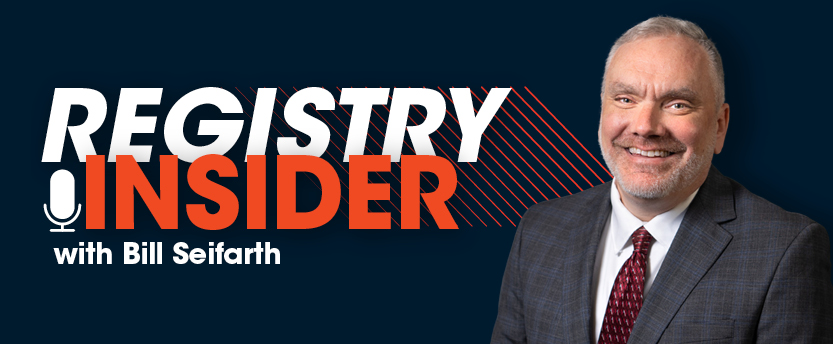
    Columbus, Ohio – June 4, 2024 – The National Registry of Emergency Medical Technicians (NREMT), the leading EMS certification organization in the country, is thrilled to announce the launch of Registry Insider, an exciting new vodcast series that promises to be a game-changer for EMS professionals everywhere.

    Registry Insider offers viewers unprecedented access to the latest National Registry news and initiatives, featuring detailed updates on the brand new AEMT and Paramedic certification examinations. This groundbreaking vodcast is now available on the National Registry’s YouTube channel and website, with convenient links from all social media platforms.

    Hosted by NREMT CEO and Executive Director Bill Seifarth, new episodes of Registry Insider will drop weekly. Each episode will feature a dynamic roster of guests, including National Registry board and staff members, EMS industry leaders, subject matter experts, and renowned luminaries.

    “The EMS profession is constantly evolving, and so is the National Registry. With the introduction of Registry Insider, we’re providing vital access to accurate information, key insights, and our latest initiatives to help advance the profession,” said Seifarth.

    Here’s what you can look forward to:

    An Insightful Lineup of Guests

    Gain exclusive insights directly from members of the National Registry Board of Directors, staff, EMS experts, policymakers, and industry trailblazers. Each episode offers a platform for these influential voices to share their knowledge, opinions, and experiences.

    Timely and Relevant Content

    The first two episodes set the tone, covering essential topics like helping candidates pass the National Registry examination and an in-depth exploration of the ALS Redesign initiative. Future episodes will continue to tackle current issues and trends, providing unfiltered, timely content.

    Interactive Engagement

    Join the conversation! Viewers are encouraged to engage across all National Registry social media channels, including LinkedIn, Facebook, Instagram, YouTube, Reddit, TikTok, and X.

    Top-Notch Production Quality

    Expect nothing but the best. Each episode boasts high-quality audio and video production, ensuring a superior viewing and listening experience on any device.

    Looking ahead, Registry Insider plans to expand with an audio-only podcast version available on major streaming and podcast platforms in the near future. Plus, the National Registry invites viewers to suggest topics and conversations they’d like to see featured in upcoming episodes.

    Don’t miss out on this exciting new chapter in EMS information and education. Tune into Registry Insider and at the forefront of the EMS profession.

    About the National Registry of Emergency Medical Technicians

    The National Registry, established in 1970 as a non-profit organization, is the Nation’s Emergency Medical Services Certification organization. The National Registry is accredited by the National Commission for Certifying Agencies (NCCA), the accreditation body of the Institute for Credentialing Excellence. The National Registry maintains NCCA accreditation for each of the four certification programs: Emergency Medical Responder (NREMR), Emergency Medical Technician (NREMT), Advanced Emergency Medical Technician (NRAEMT), and Paramedic (NRP). Credentialing protects the public, assures consumers that professionals have met standards of practice, advances the EMS profession, and establishes standards of professional knowledge, skills, and practice. Additional information is available at NREMT.org and LinkedIn, Facebook, Instagram, YouTube, Reddit, TikTok, and X.

  • National Registry of Emergency Medical Technicians Launches New Certification Examinations for Paramedics and AEMTs

    2024-07-01

    The examinations align the National Registry with other health-based professions, while retaining the rigor needed for advanced-level Emergency Medical Services (EMS) clinicians.   

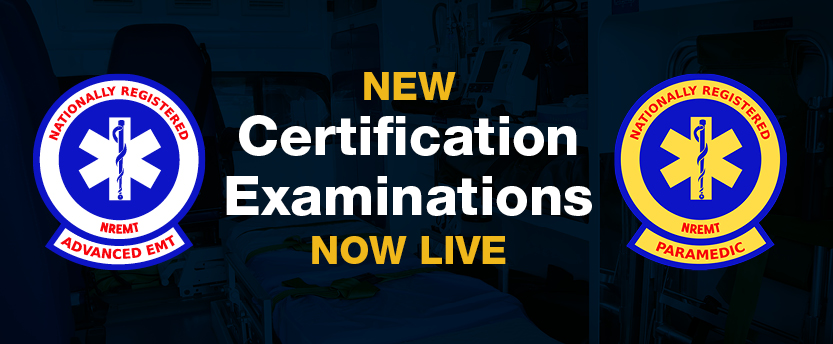
    (Columbus, Ohio) – Today, the National Registry of Emergency Medical Technicians launched new certification examinations for Paramedics and Advanced Emergency Medical Technicians (AEMTs), integrating new advancements in clinical practice, science, research, and technologies. These updates ensure that Paramedics and AEMTs are knowledgeable and prepared to manage emergency medical events.   

    “As the national certifying organization for emergency medical clinicians, it’s imperative that our examinations stay current with changes to our profession and evaluate candidates based on the best research and science available,” said Bill Seifarth, Executive Director at the National Registry. “Whenever someone calls 911, no matter where they are in the country, they trust that whoever arrives with the ambulance has the knowledge and skills to care for them. At the National Registry, we’re responsible for validating that trust by keeping our examinations up to date and ensuring all clinicians are competent to successfully respond to an emergency.”         

    To ensure the National Registry’s certification examinations measure current practice, the most recent National EMS Practice Analysis and its subsequent Addendum were conducted to identify the knowledge, skills, abilities, and clinical judgment required for entry-level clinician competency. This information, coupled with the feedback from the EMS community and continuous collaboration with the National Registry’s accreditor, the National Commission for Certifying Agencies (NCCA), formed the foundation for these new examinations.  

    “The new Paramedic and AEMT certification examinations incorporate current EMS practices and use innovative item types that leverage interactive technology to evaluate candidates’ knowledge and clinical judgment in diverse ways beyond traditional multiple-choice or multiple-response formats,” explained Dr. Mihaiela Gugiu, Chief Assessment Officer at the National Registry. “These enhancements ensure a unified and thorough assessment process for all certification seekers.”  

    The new examinations allow candidates to take a single comprehensive examination on one date, reducing logistical challenges while preserving the examinations’ rigor, consistent with standards in other health-based professions.  

    Additional information about the examinations can be found online at https://nremt.org/Document/Get-Ready-For-The-New-Examinations or by listening to or watching the National Registry’s recently launched podcast, Registry Insider.      

    About the National Registry of Emergency Medical Technicians 

    The National Registry, established in 1970 as a non-profit organization, is the Nation’s Emergency Medical Services Certification organization. The National Registry is accredited by the National Commission for Certifying Agencies (NCCA), the accreditation body of the Institute for Credentialing Excellence. The National Registry maintains NCCA accreditation for each of the four certification programs: Emergency Medical Responder (NREMR), Emergency Medical Technician (NREMT), Advanced Emergency Medical Technician (NRAEMT), and Paramedic (NRP). Credentialing protects the public, assures consumers that professionals have met standards of practice, advances the EMS profession, and establishes standards of professional knowledge, skills, and practice. Additional information is available at NREMT.org and LinkedIn, Facebook, Instagram, YouTube, Reddit, TikTok, and X. 

    Media Contact:
    Shane Cartmill
    Public Relations and Media Manager    
    scartmill@nremt.org

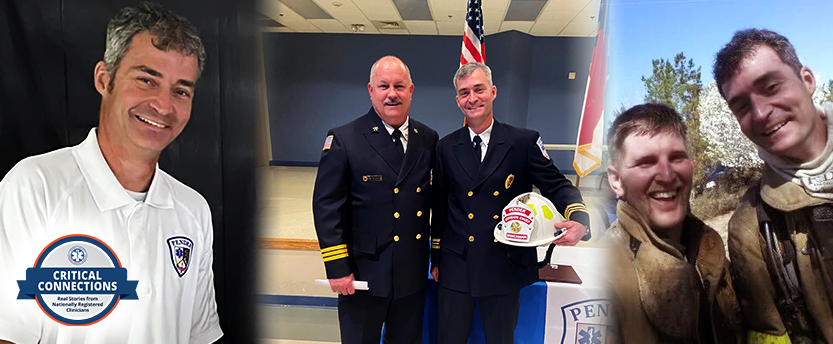
  • From Special Forces to a special career

    2024-05-15T00:00:00+00:00

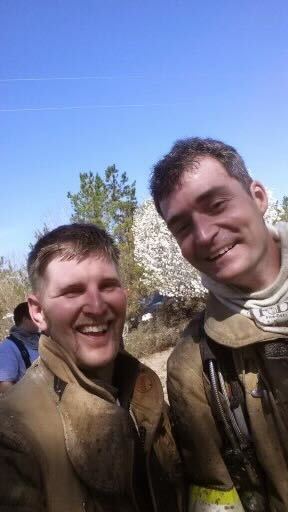
    For Randy Brinckman, a career as a paramedic did not begin as the result of a family tradition or a childhood dream. Instead, it started with the need for a job and the desire for camaraderie. You see, as Brinckman concluded his service in the military as an “18D” – a medic in the U.S. Army’s special forces – he grappled with uncertainty about what could replace the sense of duty and the strong bond, reminiscent of family, that he experienced in the military. 

    “I was like, ‘well, it is kind of similar to team life,’” said Brinckman in his decision to apply for jobs in EMS and Fire, “I needed to do something, so I gave it a shot.”  

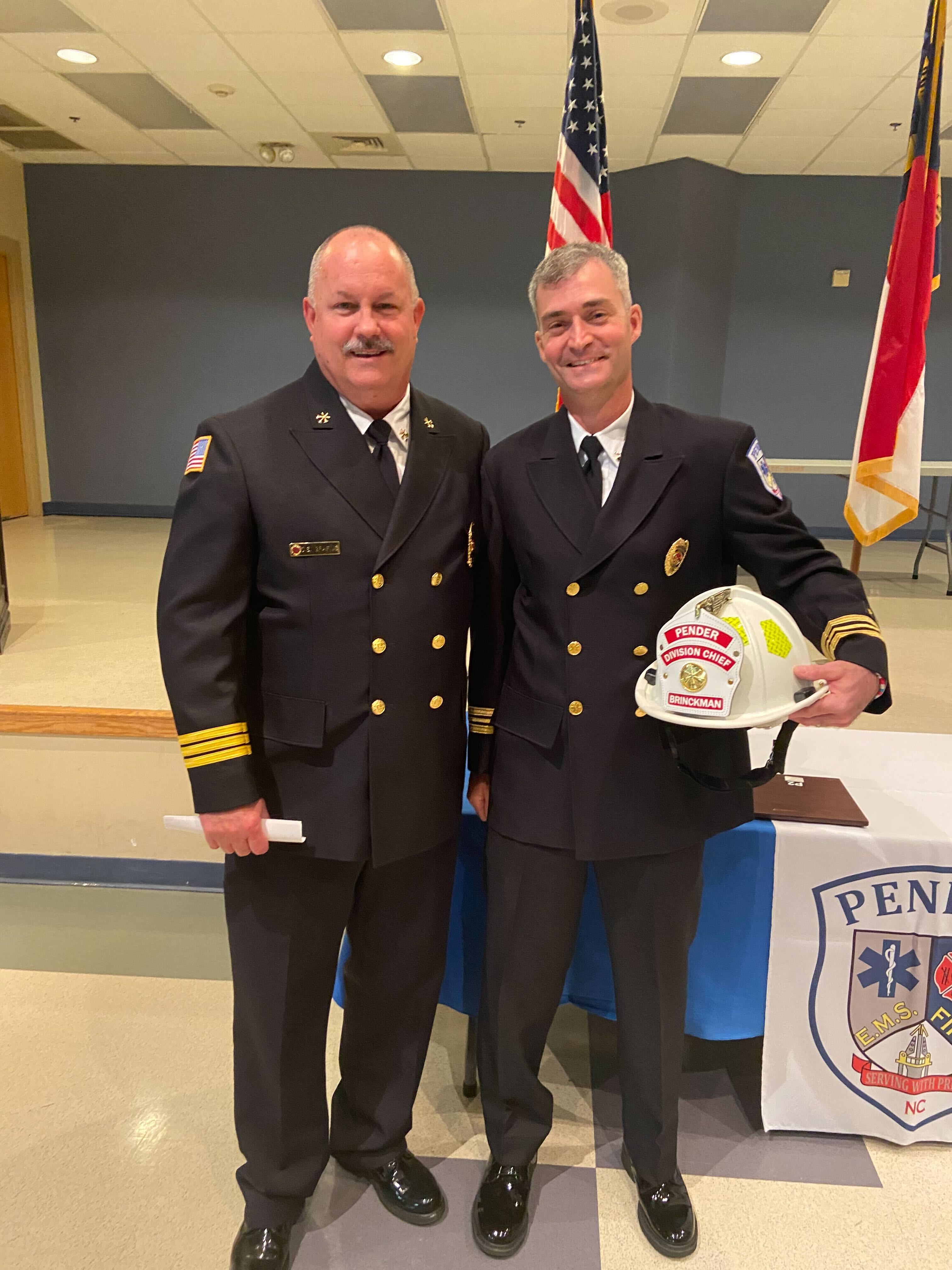
    Twenty-five years since departing Fort Bragg (presently Fort Liberty) and taking a leap of faith, Randy Brinckman is now known as Division Chief Brinckman of Pender EMS and Fire, Inc., responsible for overseeing EMS operations across a 933-square mile county along the North Carolina coast of the Atlantic Ocean. 

    “That was 20-some years ago and it was a great place to end up.”  

    Big changes for a small community 
    Since Brinckman embarked on his career with Pender EMS and Fire, Inc. in the 1990s, the population of Pender County has nearly doubled. Now, with over 62,000 residents and attracting 300,000 tourists annually, he observes that some things have indeed changed.  

    “Believe it or not, the types of calls have remained relatively similar, but there are a whole lot more of them today – 10,000, in fact, on just the EMS side,” says Brinckman.  

    As a result, Pender EMS and Fire, Inc. have evolved and adapted. The county now utilizes quick-response vehicles to ensure paramedics are readily available for cardiac arrests or major trauma calls. Simultaneously, they have expanded the capabilities of Advanced EMTs, enabling them to handle many calls that previously would have tied up a paramedic for hours.  

    “Every emergency is important to the caller, but this way, we don’t have to tie up a paramedic for a cat scratch or minor illness,” says Brinckman. “We decide how better to utilize the available paramedics to ensure everyone is receiving the appropriate level of care.”  

    Additionally, Pender EMS and Fire, Inc. works closely with local law enforcement, the U.S. Coast Guard, and the U.S. Forest Service.  

    “Our county is the fifth-largest by land area in the state and has diverse geography – the Atlantic Ocean, major rivers, a 63,000-acre game shelter and forest, suburban communities, and major highways and interstates,” says Brinckman. “We had to adapt, and working collaboratively, like we do with other agencies, is a force multiplier for our citizens and visitors.”   

     Adapting also involves integrating technology. During Brinckman’s tenure, Pender EMS and Fire, Inc. introduced drones for the first time, employing them extensively in search and rescue operations. 

    “Imagine the time we are saving with drones for distressed boater calls or lost children along the beach or in parks,” says Brinckman. “These are a big deal, and they are expensive, but they also are changing outcomes and positively affecting response times in getting care to people.”  

    Having more tools in the toolkit 
    For Brinckman, tools extend beyond quick-response vehicles and drones; education and experience stand out as the most crucial assets. 

    “The streets have their own education, and you learn from the experiences you encounter on every call,” says Brinckman. “But you won’t have a book, so you have to be prepared and know how to rely on your gut.”  

    He also knows a strong foundation is where it begins.  

    “EMS is constantly changing, and this field is all about education,” Brinckman says. “You need all the tools in the toolbox to be successful – another wrench, another skill. Education fills that toolbox.”  

    Brinckman has maintained his National Registry status continuously since 1999, a standard he considers to be exemplary and surpassing expectations. 

    “In the military, we were always certified through the National Registry and that is all I knew,” he says. “I just continued doing it and have for years because it means a lot to me, and at this point in my career I intend to keep it.”    

    An ounce of prevention … 
    Speaking of education, Brinckman says Pender County EMS and Fire, Inc. responders take a proactive approach with local citizens and tourists.  

    “We aim to educate and inform, not only to prevent illness, injury, and trauma, but also to reduce the likelihood of recurring incidents,” he says.  

    This is particularly important in areas with a significant influx of vacationers and tourists who may not fully understand the potentially hazardous situations they expose themselves to.   

    “At the beach and parks, we try to educate people on the importance of drinking water – and remind them that beer and Mountain Dew do not count,” says Brinckman. “A lot of what we see could have been prevented by simply paying more attention to proper hydration before a fun day in the sun at the beach, out on the ocean, or in the intercoastal waterway.”  

    Brinckman says people often underestimate the power of recreational waters while also overestimating their abilities when it comes to operating boats, surfing, or bodyboarding.  “We see a lot of boat accidents and we see a lot of neck injuries,” he says. “And, once again, a little common sense goes a long way in many, if not most, of these situations. So, we become the teachers, trying to impart some wisdom and safety so their vacations can be more enjoyable.”  

    The ones you remember and the ones that really stick with you 
    When asked what calls stick out the most in his mind, Brinckman says there are a lot of them that do – some amusing and others he wishes he could forget.  

    “We got called to a nursing home one day for an elderly lady with breathing problems – she was due for an appointment and wasn’t feeling well,” Brinckman recalls. “I explained that we needed to take her to the hospital, but she was not going anywhere until she put on her makeup.”  

    Attempting to strike a balance between concern and humor, Brinckman reminded his patient that she was experiencing an issue, and her condition could potentially escalate into something more serious. 

    “She was having none of it,” Brinckman laughs. “It was hilarious – she was putting on lipstick and eyeshadow because she wanted to look presentable at the hospital.”  

    Not all calls go the way you want or hope.  

    “Those calls are not funny or hilarious, even with the use of the defense of the dark humor we know exists in our field,” says Brinckman. “Back when I started, we would clam up and not talk about what we were experiencing or going through following an emotional or traumatic call.”  

    Brinckman mentioned that previously, their awareness of mental health extended only to a poster on the wall. However, as the division chief now emphasizes, there’s a more proactive approach in place, driven by a deeper understanding of the seriousness and impact of mental health issues. 

    “There are many more programs available now, from EAP to therapy dogs,” says Brinckman. “You are not the only one going through this or experiencing these feelings and thoughts. We have all been there and it is time we get it into the open so we can appropriately deal with it.”  

    In Brinckman’s perspective, taking breaks from work is crucial. EMS work can exact a mental toll, so he advocates for hobbies completely unrelated to the job. For Brinckman, that means indulging in model trains and remote-controlled cars. 

    “Hey, I get it. The side hustle or an extra shift is important or can be appealing,” says Brinckman. “But you have to get away and not let it be part of every moment of your life, or it will consume you.”  

    Not bad for “giving it a shot” 
    For a former special forces medic who decided to “give EMS a shot,” Division Chief Randy Brinckman has made it into a very special career. He went from serving in one of the most elite teams in the military to leading a very special group of first responders – those who answer the calls for help in another person’s darkest hour.  

    His recipe for a long and successful career?  

    “Be humble, be kind, show compassion, and don’t forget where you came from,” says Brinckman. “We tend to forget those things over time – have patience with people.”  

    Read More Articles In The Critical Connection Series
    James Avery – “An Unexpected Destiny – How One EMS Provider Discovered Sometimes Fate Has Other Plans”
    Randy Brinckman – “From Special Forces to a special career”
    Jessica Cervantez – “Be A Rock In The Moment People Are Falling Apart”
    Savanna Coker – “Waves of change: A departure from the Baywatch narrative”
    Claire Countryman & Chris Ruggiero – “The next chapter could save a life”
    John Nemes – “The journey of an EMS chief”
    Tom Perreault – “43 Years Down and a Lifetime to Go”
    Justin Solobay – “A Night To Remember”
    Meryah Wilson – “Calm and collected; an Ohio paramedic makes history with her city’s department”
    Bill Wood –  “50 Consecutive Years Of National Registry Certification”

    Media Contact:
    Shane Cartmill
    Public Relations and Media Manager    
    scartmill@nremt.org
      

  • The next chapter could save someone’s life; EMS education’s role in a successful career

    2024-05-21T00:00:00+00:00

    “The best advice I’ve ever received was to not forget to hit the sync button before you cardiovert,” said Claire Countryman, a 2024 Greenville Technical College graduate and Nationally Registered Paramedic. “I’m just kidding. Not really.”  

    As Countryman has already discovered, humor can go a long way in your EMS career. But she knows the true key to success is education—both in the classroom and the real world.  

    “My first night on a truck was nothing like learning in a classroom—you have to adapt to an ever-changing environment,” Countryman said. “However, classroom education helps you bring all the pieces of the problem together when determining a treatment plan.”  

    Countryman already has some important wisdom to share with the next class of Paramedics and EMS clinicians—whether at her alma mater or elsewhere.  

    “The chapter you are learning today is going to save someone’s life tomorrow,” she says. “Pay attention!” 


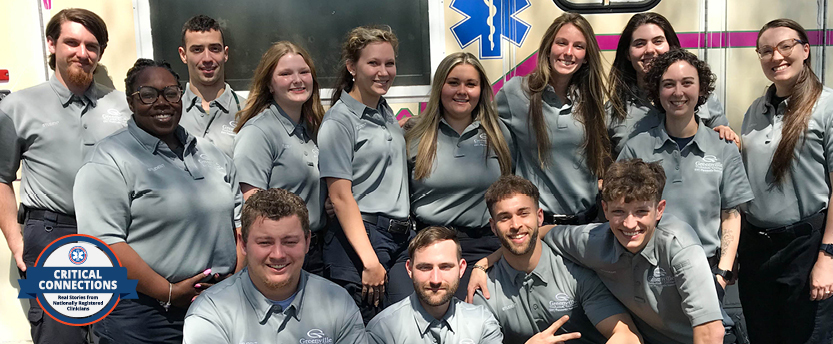
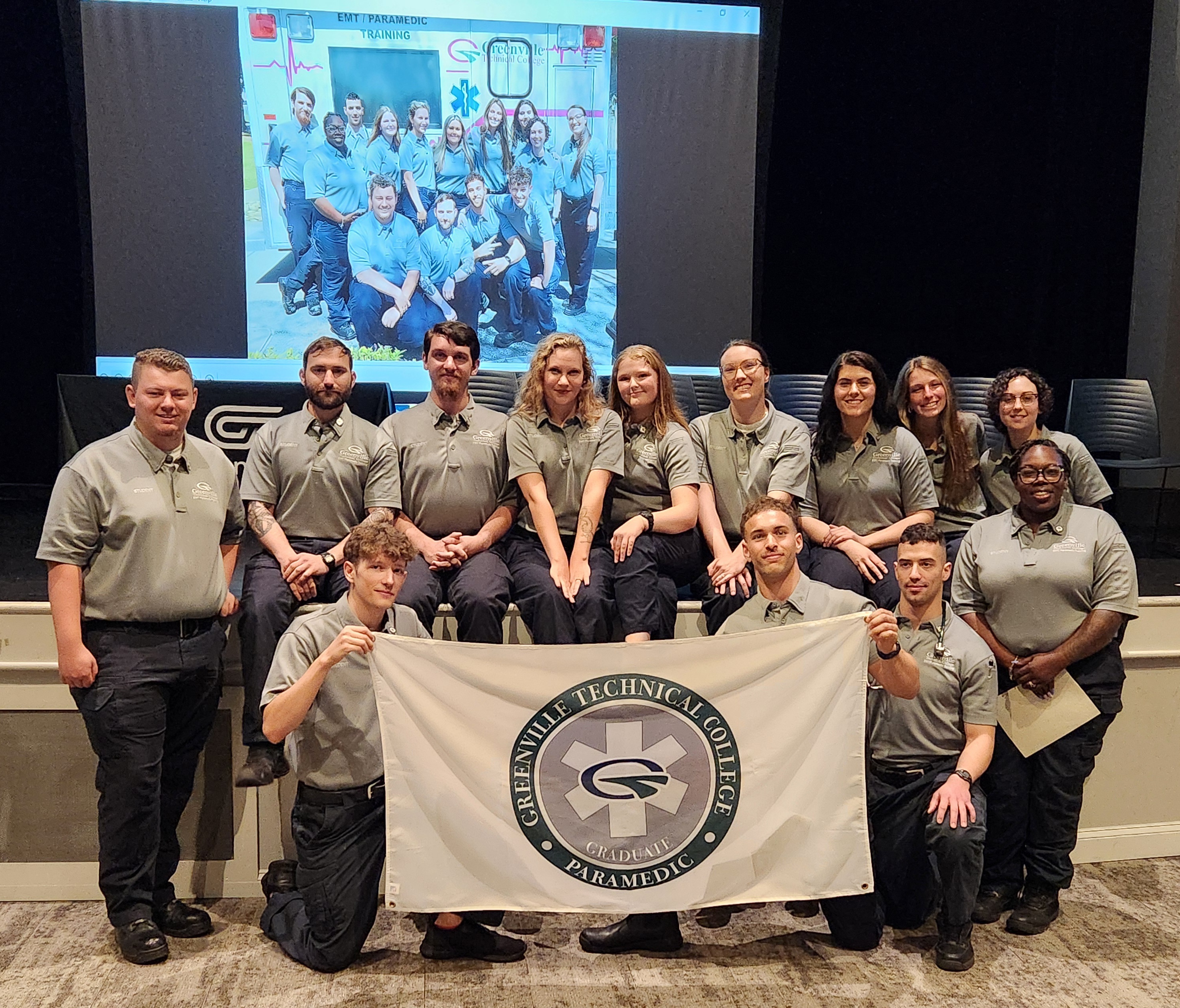
    Greenville Technical College Paramedic graduates celebrate their National Registry certification. 

    Meet the teacher  
    Enter Chris Ruggiero, a Nationally Registered Paramedic and the academic program director of Emergency Medical Technology at Greenville Technical College, and one of Countryman’s instructors.  

    “It is very validating when students have what I call their ‘EMS epiphany’ toward the end of training – that moment when they know they are going to be successful paramedics ready to enter the profession and competently take care of patients,” says Ruggiero. “As an instructor, I tell my students that I measure my success on your success.”  

    Ruggiero began his journey in emergency medical services through an EMS explorer program, where he quickly discovered his passion for the field. He earned his EMT certification in 1995 and advanced to become a Nationally Registered Paramedic in 2002. After several years as a training officer, he transitioned to teaching full-time in 2011, dedicating himself to educating the next generation of EMS professionals. 

    “I was fortunate to have great mentors throughout my career, and I realized I had a lot of knowledge to pass along to students,” Ruggiero said of his decision to become an EMS instructor.  

    He says he misses working full-time in the field but realizes that may be the key to being a good instructor. “If you do not miss the field, you will not make a good instructor,” Ruggiero said. Regarding burned-out field medics who teach, Ruggiero simply stated that he doesn’t believe they are effective. 

    The significance of being Nationally Registered 
    Countryman is one of 14 recent graduates from the Greenville program, all of whom gained National Registry certification upon successful completion.  

    “I felt every ounce of anxiety walking into the testing room and walking out of it,” said Countryman. “The minute I found out I passed my written exam, I experienced an overwhelming feeling of relief.” She’s proud of her accomplishment of passing the National Registry Paramedic Certification Examination on the first attempt and realizes the importance of the certification.  

    “The National Registry’s exam evaluates critical thinking,” Countryman said. “If you can’t think critically, you won’t be able to treat patients – it’s that simple.” She added that preparation for the National Registry Paramedic Certification Examination readied her in other ways, too. “That examination evaluates every part of a call that you might encounter and makes you aware of the possibilities,” she said. “We are working in unfamiliar environments, sometimes harsh or unclean, with multiple bystanders watching our every move. We have to be ready.”  

    “At face value, students see the National Registry examination as their way into the career field – a test to apply what they’ve learned,” said Ruggiero. “But I know keeping their certification current will keep them relevant and they will continue to be prepared.”  

    Burnout is real; be ready to combat it 
    Both Countryman and Ruggiero acknowledge the challenges facing EMS as a profession and the difficulties individual clinicians encounter.  

    “Police, fire, EMS, telecommunicators, military – we are at higher risk for mental health issues due to our relatively smaller number of personnel compared to the rest of society, so it is essential that we are aware of the signs and symptoms of burnout as well as the resources to prevent and resolve it,” said Ruggiero. “Self-care practices like having creative and physical outlets and non-EMS hobbies work well for me. Resiliency is key!” 

    Countryman has witnessed firsthand the toll EMS careers can take, noting that burnout and mental health issues among clinicians can adversely affect patient care. 

    “Burnout – that’s my biggest fear, and I think it is inevitable that most people in this job will face that at some point in their career,” Countryman said. “I don’t want to have happen to me what I’ve seen in others when they get angry or lazy and miss important information when treating patients.” Countryman maintains a healthy lifestyle and work-life balance to prevent burnout before it can affect her. 

    Your education never stops 
    Countryman may have joked about hitting the sync button, but she isn’t joking about learning.  

    “Your education doesn’t stop after paramedic school ends,” Countryman said. “I get that the process feels like a chore to sit down and study, but you will realize there is so much more you will want to learn.” She encourages her fellow providers to attend conferences, training sessions, and meetings to discuss exciting and interesting calls.  

    “Go the extra mile because it will make a difference in your patient care,” Countryman said.  
    Ruggiero continues his education, too – in the field. “I want to remain relevant to my students,” he laughs. “So, I work part-time and pick up extra shifts when I can.” 

    He has added motivation.  

    “I enjoy running into former students ‘in the wild’. Seeing them excel and become great providers means so much to me.”  

    Ruggiero offered one final piece of advice.  

    “Do what is best for your patient and be able to articulate your clinical reasoning to the receiving physician,” he said. “That will carry you far in this career.”  

    Read More Articles In The Critical Connection Series
    James Avery – “An Unexpected Destiny – How One EMS Provider Discovered Sometimes Fate Has Other Plans”
    Randy Brinckman – “From Special Forces to a special career”
    Jessica Cervantez – “Be A Rock In The Moment People Are Falling Apart”
    Savanna Coker – “Waves of change: A departure from the Baywatch narrative”
    Claire Countryman & Chris Ruggiero – “The next chapter could save a life”
    John Nemes – “The journey of an EMS chief”
    Tom Perreault – “43 Years Down and a Lifetime to Go”
    Justin Solobay – “A Night To Remember”
    Meryah Wilson – “Calm and collected; an Ohio paramedic makes history with her city’s department”
    Bill Wood –  “50 Consecutive Years Of National Registry Certification”

    Media Contact:
    Shane Cartmill
    Public Relations and Media Manager    
    scartmill@nremt.org
  • The National Registry of EMTs Invites Your Feedback

    2024-03-26

    (Columbus, Ohio) – The National Registry of Emergency Medical Technicians recently approved a resolution for public comment. 24-Resolution-01 Resolution on Advanced Life Support (ALS) Certification Re-Entry Requirements is now available for a 60-day public comment period.  

    Summary of 24-Resolution-01: As part of discontinuing the ALS Psychomotor Examination, the National Registry must update its State-Licensed Entry and Re-Entry processes for the Advanced Emergency Medical Technician (AEMT) and Paramedic Certifications to remove the requirement for the ALS Psychomotor Examination.  

    Those who are interested may read the full resolution and provide feedback here.

    View Resolution

    “The National Registry acknowledges that transparency, collaboration, and stakeholder input are fundamental to our operations and are highly valued by you,” said Bill Seifarth, executive director and CEO of the National Registry. “We invite you to review and provide feedback on the resolution.”     

    The 60-day public comment period ended on May 26, 2024.   

  • The journey of an EMS Chief: serving the community and leading change

    2024-05-13T00:00:00+00:00

    In the heartland of Missouri lies Hannibal, a picturesque town with a rich history intertwined with the mighty Mississippi River and the legacy of Mark Twain. Protecting the citizens who live and work here is the Marion & Ralls County Ambulance Districts – a department covering 545 square miles of suburban and rural scenic beauty. At its helm is an individual whose journey through EMS echoes dedication, transformation, and a relentless pursuit of excellence.

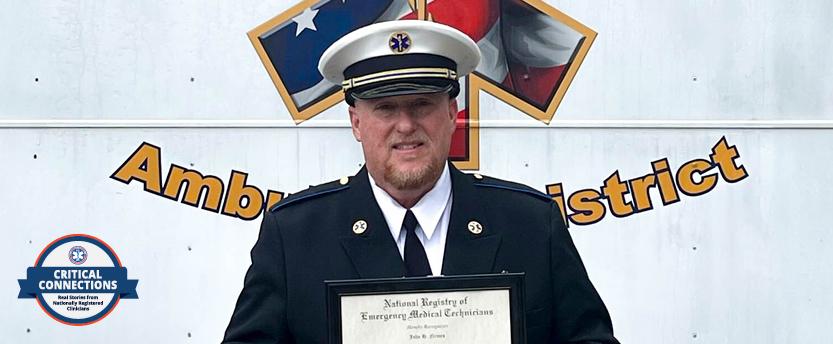
    Meet John Nemes, a Nationally Registered Paramedic and Chief of the Marion County EMS service. His story encapsulates the evolution of a department, the challenges faced in public service, and the personal growth intertwined with a lifelong commitment to saving lives.

    The path to EMS: A critical moment sparked change

    Chief Nemes hadn’t planned on becoming an EMS chief, or even pursuing a career as an EMT or Paramedic. However, everything changed when his infant daughter faced a choking episode, triggering a profound awakening to the critical significance of emergency medical response.

    “I felt helpless and did not like the feeling,” said Nemes. “Here I was, a firefighter who was accustomed to helping others and I froze.”

    Nemes began his journey as a firefighter in 1992, eventually transitioning to a fire investigator. But that moment with his daughter made him want more. Encouraged by his wife, he pursued an EMS career, obtaining his EMT certification in 1998 and his Paramedic certification in 2002.

    In 2006, driven by a desire to spare others the challenges he had experienced, he shifted his focus from the fire service to fully commit himself to EMS. Advancing through the ranks, he assumed the position of EMS Chief in 2011, where he oversees a team of more than 90 personnel and manages responsibilities across two counties.

    Leading from the front and valuing lifelong learning

    As an EMS Chief, Chief Nemes wears multiple hats. His duties span budget management, personnel oversight, policy development, and serving as Incident Commander for major emergencies. From coordinating with local hospitals to attending national meetings on evolving protocols, his role is dynamic and demanding.

    However, amidst administrative responsibilities, Chief Nemes remains grounded in frontline emergency response, continuing to serve as a front-line Paramedic when needed. His leadership ethos revolves around accessibility, empathy, and a commitment to continuous improvement.

    “I believe in the importance of the National Registry of EMTs because I believe the learning should never stop,” said Nemes, who has been continuously Nationally Registered for nearly 25 years. “EMS isn’t just a career. It is a journey of learning and personal growth.”

    Highlighting the significance of continuous education, he stresses the necessity of keeping abreast of emerging techniques, trends, and technologies. He believes the National Registry affords EMS clinicians that opportunity and ability to remain on the cutting edge, while acknowledging that it goes hand in hand with that you see and learn on the streets each day.

    “I worked very hard to get my National Registry certification,” said Nemes. “And I intend to keep it until I retire.”

    Navigating the challenges and changing with the times

    Hannibal, Missouri, with its strategic location intersecting major highways and a vibrant tourist scene, presents a diverse array of challenges for EMS responders. From medical emergencies to interfacility transfers, the department handles an average of 6,800 calls annually. Moreover, as a primary responder for neighboring services, the team juggles a mix of trauma and medical cases, often spanning state lines.

    Amidst the chaos of emergency response, he underscores the significance of mental health awareness.

    “We see a lot of stuff, some of it very bad,” said Chief Nemes. “And one of the biggest changes I’ve seen in my career is how we – as EMS personnel – handle critical stress and our own mental health.”

    Two of Chief Nemes’ most impactful calls had very different outcomes. Both involved close friends.

    “I responded to a cardiac arrest that ended up being a friend of mine,” said Nemes. “After several minutes of working on him, we were able to achieve ROSC (or the return of spontaneous circulation) and he survived.” 

    The best part was yet to come. Nemes recalled, “he came home from the hospital on the very same day as his first grandchild.”

    However, not every call unfolds in such a manner. Nemes also answered the call to his best friend’s suicide, a situation where they were powerless to intervene.

    Acknowledging the profession’s historical stigma surrounding mental well-being, Nemes emphasizes the need for continued support and resources for EMS personnel.

    “Calls like that are why it is so important keep the spotlight on mental health in public service,” said Nemes. “We are human, too. But we must be ready for the next call, and it starts with ensuring that we are at the top of our own game.”

    Family and a healthy balance between work and hobbies are critical

    Outside of his professional duties, Chief Nemes finds solace in family and hobbies. Married for 33 years, his wife remains his steadfast support, alongside his two daughters and newfound joy in being a grandfather. An avid outdoorsman, he finds relaxation in cycling, kayaking, and fishing, alongside the therapeutic satisfaction of building and remodeling projects.

    Nemes’ career path has been purpose-driven – from his firefighting days to leading a dynamic EMS department – he continues to inspire the next generation of EMS professionals.

    Be kind, be humble.

    “Be kind, be humble, and have genuine compassion for those you serve, as well as your co-workers,” Nemes said. “That is what will give you not only a career, but more importantly, satisfaction.”

    Nemes encourages his colleagues to stop, think about everything they do, and put things into perspective.

    “I’ve always been disturbed by someone saying, ‘I’m just an EMT,’” Nemes said. “There is no such thing as “I’m just an EMR or EMT. We are all care providers with the same goal, only different responsibilities. No one is any greater than the other. My EMT partner was a voice of reason and a great help many times during the care of patients. Paramedics, nurses, and doctors should never hold themselves higher than those they work alongside of. It is teamwork for the best interest of the patient.”

    “It is natural to go through calls and sometimes feel like you aren’t making a difference,” said Nemes. “But perhaps you did make a difference without even realizing it – by listening, by holding a hand, or saying a prayer with the patient.”

    Nemes believes “making a difference” is not limited to just successfully treating an illness or an injury.

    “People may not remember what you said or did, but they will remember how you made them feel, and there is absolutely nothing more satisfying than making a difference in someone’s life.”

    Read More Articles In The Critical Connection Series
    James Avery – “An Unexpected Destiny – How One EMS Provider Discovered Sometimes Fate Has Other Plans”
    Randy Brinckman – “From Special Forces to a special career”
    Jessica Cervantez – “Be A Rock In The Moment People Are Falling Apart”
    Savanna Coker – “Waves of change: A departure from the Baywatch narrative”
    Claire Countryman & Chris Ruggiero – “The next chapter could save a life”
    John Nemes – “The journey of an EMS chief”
    Tom Perreault – “43 Years Down and a Lifetime to Go”
    Justin Solobay – “A Night To Remember”
    Meryah Wilson – “Calm and collected; an Ohio paramedic makes history with her city’s department”
    Bill Wood –  “50 Consecutive Years Of National Registry Certification”

    Media Contact:
    Shane Cartmill
    Public Relations and Media Manager    
    scartmill@nremt.org