
Author: Matt

  • Cleveland EMS Is Redefining Emergency Care Through Innovation, Community Medicine, and a New Vision for the Future

    2026-05-20T00:00:00+00:00
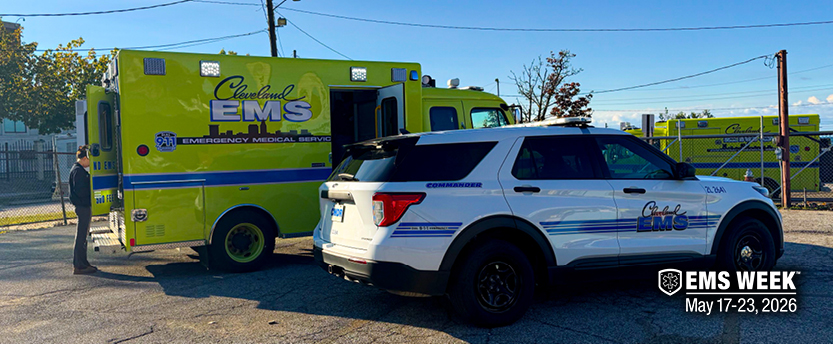
    Cleveland EMS is redefining emergency medical services as a more proactive, clinical, and community-connected system of care. What was once centered primarily on rapid response and hospital transport is evolving into a broader model focused on prevention, continuity, and long-term patient outcomes.

    In conversations with Dr. Jeremiah Escajeda, Medical Director for Cleveland EMS, Commissioner Orlando Wheeler, and Commander Ellen Kazimer, a shared vision emerged. Cleveland EMS is building a system grounded in innovation, prevention, education, clinical excellence, and sustained community trust.

    That vision is already reflected in daily operations across the organization. 

    Moving EMS Beyond Response

    Dr. Escajeda described a clear shift in EMS toward prevention and community-based care. “We’re going to see EMS move more toward preventative medicine,” he said, pointing to community paramedicine and mobile integrated health as central to the future.

    In Cleveland, that shift is already underway. Outreach teams now follow up after 911 calls, connect frequent users to care, and support residents facing chronic illness, substance use disorder, housing instability, or limited access to primary care.

    Commissioner Wheeler noted that this work is closing a long-standing gap in continuity of care. “EMS is no longer only responding in the moment,” he said. “It is helping address what happens next, and that continuity is what builds trust in the community.” 

    Innovation That Changes Outcomes
    ambulance-speed.jpg
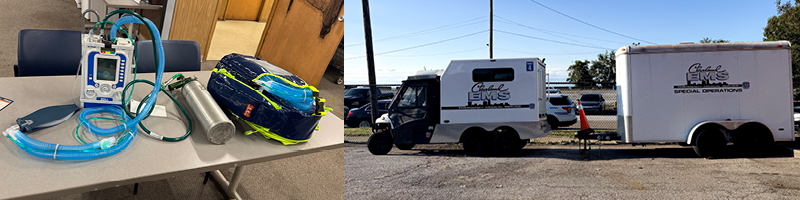
    Cleveland EMS has introduced several clinical advancements that are already improving care in the field. One of the most significant is the whole blood program, which allows paramedics to administer blood to patients in hemorrhagic shock before hospital arrival. Cleveland EMS became the first major city in Ohio to deploy the program, now expanded across all field captain vehicles.

    Dr. Escajeda called it a major step forward in prehospital medicine. “The earlier we can intervene with definitive care, the better chance we have to change the outcome,” he said. “Whole blood gives us the ability to begin lifesaving treatment before the patient ever reaches the emergency department.”

    Commander Kazimer noted that innovations like this only succeed when they are supported by strong training and culture in the field. “These advancements raise the level of care we can provide, but they also depend on consistency, preparation, and Clinicians who are confident in applying them under pressure,” she said.

    Additional advancements include field ventilators, video-assisted intubation, automated CPR devices, and expanded research partnerships focused on critical care outcomes.

    Commissioner Wheeler said these changes reflect more than new tools. “We’re changing the mindset of what EMS can be,” he said. “This is about building a system that delivers higher levels of care, supports our Clinicians, and improves outcomes for those we serve.” 

    A System Built on Community Connection

    Cleveland EMS is expanding its role in community health through proactive engagement and follow-up care. Commissioner Wheeler described biweekly call reviews and outreach efforts focused on frequent 911 callers. These efforts connect individuals to resources such as insurance support, healthcare navigation, elder services, and substance use treatment programs.

    “We realized that many calls are tied to larger issues that won’t be solved in a single emergency response,” Wheeler said. “If we can connect people to support systems before the next crisis, we can improve outcomes medically, personally, and socially.”

    The agency also conducts outreach in shelters and community spaces to ensure individuals experiencing homelessness continue to receive care. Follow-up after EMS calls is now a standard part of operations, reinforcing that care does not end at the scene. 

    Culture, Trust, and Clinical Excellence
    ambulance-speed.jpg
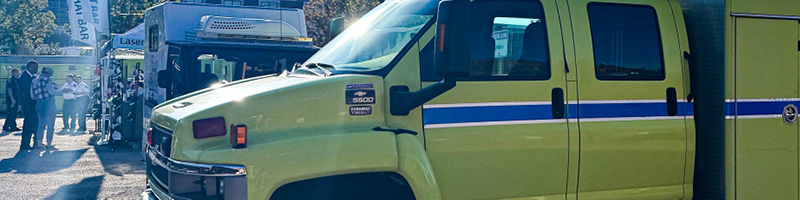
    Across Cleveland EMS, culture is central to how care is delivered and how the system evolves. Commander Kazimer emphasized that trust is built through every interaction. “People remember how you made them feel on their worst day,” she said. “Trust is earned through every interaction, every decision, and every moment of care.”

    That expectation shapes how EMS is defined internally. It is viewed as a calling rooted in accountability, compassion, and clinical excellence, reinforced through rigorous training, continuing education, and ongoing professional development.

    Dr. Escajeda highlighted the human responsibility behind that standard. “We see people in some of the hardest moments of their lives, sometimes more than once,” he said. “Our responsibility is to show up with consistency, empathy, and clinical excellence every time.”

    Commissioner Wheeler connected that culture to organizational performance. “What makes Cleveland EMS strong is that everyone from the field to leadership is working toward the same mission,” he said. “That alignment is what allows us to innovate while staying grounded in patient care.”

    Together, these perspectives reflect a system in which culture is not separate from care, but rather what enables it. 

    Celebrating 50 Years, Building the Next Model of EMS
    Screenshot-2026-05-18-at-12-13-55 PM.png
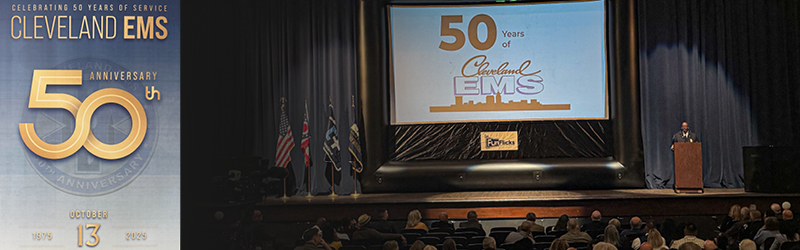
    In October 2025, Cleveland EMS marked 50 years of service. Leadership is now focused on the next phase of evolution, including expanded telehealth capabilities and treat-in-place models designed to reduce unnecessary transport.

    “We’re looking at how we evolve the system, so care doesn’t always have to start and end in the back of an ambulance,” Wheeler said. “If we can safely treat patients in place or connect them to the right level of care sooner, we improve the experience for patients and strengthen the system.”

    The goal remains consistent in delivering the right care in the right place at the right time.

    Redefining What EMS Can Be

    Cleveland EMS is not simply adapting to change, it is helping define it. Through clinical innovation, community medicine, rigorous training, and a growing focus on prevention, the agency is reshaping what emergency medical services can look like in a modern healthcare system.

    It is no longer defined only by response. No longer limited to transport.

    It is emerging as a trusted, community-connected healthcare partner focused on improving outcomes long before and long after the 911 call ends.
    ambulance-speed.jpg

     About the National Registry of Emergency Medical Technicians 

    Guided by our mission to support the EMS profession through partnerships, research, and lifelong assessment of clinical competence, the National Registry was established in 1970 as a non-profit organization and serves as the Nation’s Emergency Medical Services certification organization. It is accredited by the National Commission for Certifying Agencies (NCCA), the accreditation body of the Institute for Credentialing Excellence. The National Registry maintains NCCA accreditation for each of the four certification programs: Emergency Medical Responder (NREMR), Emergency Medical Technician (NREMT), Advanced Emergency Medical Technician (NRAEMT), and Paramedic (NRP). Credentialing protects the public, assures consumers that Clinicians have met standards of practice, advances the EMS profession, and establishes standards of professional knowledge, skills, and practice. Additional information is available at NREMT.org, and BlueSky, TikTok, Facebook, Instagram, LinkedIn, Reddit, and YouTube. 

    Media Contact:
    Kelly Schroeder
    Manager of Integrated Content & Communications 
    kschroeder@nremt.org
  • First in the Country: Upper Sioux Community Advances Tribal EMS Sovereignty Through Landmark National EMS Certification Authority Request

    2026-05-18T00:00:00+00:00

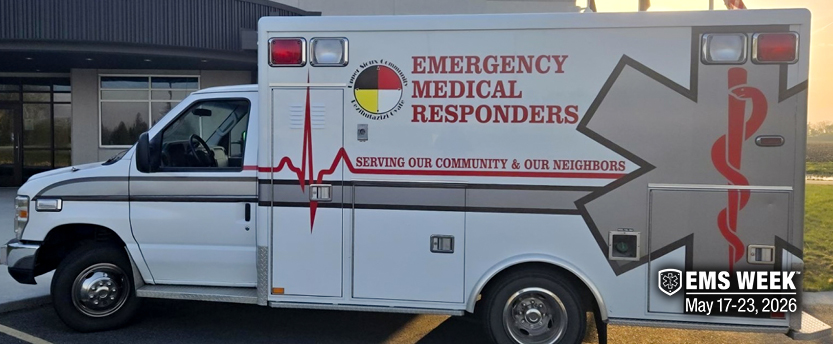
    The Upper Sioux Community has received approval for the first Tribal Delegated Authority Agreement (DAA) with the National Registry of Emergency Medical Technicians (National Registry), marking a milestone that may influence how Tribal EMS systems pursue certification authority, nationwide. For Emergency Manager Chris Lee, the achievement represents both a practical solution to a longstanding gap and a strong affirmation of Tribal sovereignty in action.

    “This started during COVID-19,” Lee explained. “We built our own EMS, fire, police, and expanded public safety because we needed to meet our community’s needs directly. Once that was in place, we questioned why EMS certification pathways, a step in the pathway to EMS licensure, were still routed through state systems in a way that did not reflect our status as a sovereign nation.” 

    A Question of Sovereignty and Alignment

    The Upper Sioux Community in southwest Minnesota operates EMS alongside fire, police, public health preparedness, and emergency management. Like many Tribal nations, it maintains a government-to-government relationship with the federal government, yet EMS certification has historically been tied to state licensure pathways.

    Lee described the disconnect, noting, “It is like the State of Minnesota getting its licensure from Wisconsin. When you look at it that way, it does not align with the sovereignty and authority we already have.”

    After reviewing federal statutes and consulting with the Bureau of Indian Affairs and Indian Health Service, Lee confirmed the Tribe could establish its own certification pathway for EMS personnel. The next step was aligning that pathway with national standards.

    “We wanted to meet the same standards as everyone else,” Lee said. “National Registry is the gold standard, so aligning with it ensures we are meeting expectations fully.” 

    A First-of-Its-Kind Model

    With approval of the DAA, the Upper Sioux Community becomes the first Tribal EMS system authorized to use the National Registry framework in this way to support Tribal EMS certification, licensure, and credentialing. The model allows EMS Clinicians to hold National Certification through the National Registry, which can then be used to support both Tribal state licensure and credentialing processes where applicable.

    “One test, one certification,” Lee said. “That National Certification allows someone to be recognized through the Tribe and also support state licensure if they choose to serve in both systems.”

    He emphasized that the model is not about separation from state systems, but about parity and flexibility. “We are not stepping away from collaboration,” he said. “We are creating a system where Clinicians can serve where needed while remaining grounded in Tribal authority.” 

    Strengthening Care and Expanding Capacity

    The EMS system includes about 30 Clinicians across EMR, EMT, paramedic, and community paramedic levels. It also serves a high-volume population due to a Tribal casino that attracts an estimated 600,000 to 700,000 visitors annually.

    “We see a significant number of medical calls,” Lee said. “It is a small community, but the demand is high.” The new framework is expected to strengthen consistency in training, improve quality, and support workforce development. “It allows us to improve our skills and strengthen quality assurance,” Lee said. “That translates directly into better patient care and outcomes.”

    The Tribe also plans to expand by approximately 10 EMS Clinicians while continuing to grow its community paramedic program. That program supports elders, diabetic patients, and vulnerable community members through home visits, chronic disease management, and outreach for individuals experiencing homelessness and addiction. 

    Recognition of Tribal Authority

    At the center of the effort is a broader statement about governance and self-determination. “This is one of the best examples of Tribal self-governance,” Lee said. “It recognizes our inherent authority as a sovereign nation to manage our systems and care for our people.”

    He stressed that the goal is equality in standards and recognition, not separation. “We want to operate at the same standard as any system in the country,” he said. “Not different, not lesser, fully equal.” 

    Building the System

    While approval of the DAA is a major step, implementation is ongoing. Work includes system integration with the National Registry, internal administrative processes, and operational planning.

    “We are still building the infrastructure,” Lee said. “There is IT work, paperwork, and process development ahead.” He also noted the challenge of establishing a model that has not been implemented at this level before. “This has not been done at this level before,” he said. “We are building the framework as we go.”

    Within a year, success would mean a fully functioning system supporting certification workflows, renewals, and potentially in-house testing coordination aligned with National EMS standards. “I would like streamlined applications and renewals to work smoothly,” Lee said. “Eventually, even bring testing into our own facility.” 

    Collaboration and Community Impact

    Lee credits progress to strong internal and external partnerships, including Tribal leadership, regional health agencies, and medical direction support. “The support of our Tribal Council has been critical,” he said. “We even have Council members who are EMS Clinicians, which helps significantly.”

    The Tribe also works closely with the Minnesota Department of Health and regional EMS partners. “We see ourselves as part of a larger regional system,” Lee said. “Not isolated from it.”

    For Lee, the purpose remains clear.

    “We care about our people, our community, and our visitors,” he said. “We hold ourselves to the highest standard, and this reflects that commitment.” 

    Early Signs of a Broader Movement and a Model Built for the Future

    Interest from other Tribal communities is growing. Minnesota alone has 11 Tribal nations, several of which operate EMS systems and are closely watching the model. “One of our peers already asked me to present this at a conference,” Lee said. “There is real interest in how this could work elsewhere.”

    He believes the framework may extend beyond the Upper Sioux Community as other Tribes explore similar pathways.

    At the same time, Lee remains focused on steady implementation at home. “We are taking this step by step,” he said. “We want to build it correctly and sustainably.” Still, he recognizes the broader significance of the achievement. “This one feels different,” he said. “It is about recognition, responsibility, and ensuring our community receives care that reflects who we are.”


     About the National Registry of Emergency Medical Technicians 

    Guided by our mission to support the EMS profession through partnerships, research, and lifelong assessment of clinical competence, the National Registry was established in 1970 as a non-profit organization and serves as the Nation’s Emergency Medical Services certification organization. It is accredited by the National Commission for Certifying Agencies (NCCA), the accreditation body of the Institute for Credentialing Excellence. The National Registry maintains NCCA accreditation for each of the four certification programs: Emergency Medical Responder (NREMR), Emergency Medical Technician (NREMT), Advanced Emergency Medical Technician (NRAEMT), and Paramedic (NRP). Credentialing protects the public, assures consumers that Clinicians have met standards of practice, advances the EMS profession, and establishes standards of professional knowledge, skills, and practice. Additional information is available at NREMT.org, and BlueSky, TikTok, Facebook, Instagram, LinkedIn, Reddit, and YouTube. 

    Media Contact:
    Kelly Schroeder
    Manager of Integrated Content & Communications 
    kschroeder@nremt.org
  • Improving Outcomes Through Collaboration: The National Registry’s Commitment to Public Safety

    2026-05-18T00:00:00+00:00

    When someone calls 911, they do not stop to think about how the EMS system works behind the scenes. They simply expect help to arrive quickly—and that the care they receive will be safe, skilled, and compassionate. 

    That expectation is not fulfilled by one person, one agency, or one organization alone. It is made possible by a connected system of professionals and partners working together with a shared commitment to public safety. 

    This year’s EMS Week theme, Improving Outcomes, Together, reflects a truth long understood across the profession: the best patient outcomes are achieved when education, certification, licensure, and credentialing work in alignment. Each plays a distinct role, but all are essential. And when those parts work together, the entire system is stronger. 

    A System Built on Shared Responsibility 

    The national EMS system is built on four foundational components. 

    • Education prepares future EMS Clinicians with the knowledge, judgment, and hands-on clinical and field experience needed to enter practice. 
    • Certification verifies that an individual has demonstrated a nationally recognized standard of entry-level competency. 
    • Licensure, granted by state or local authorities, authorizes a Clinician to practice within a jurisdiction. 
    • Credentialing, determined by employers or Medical Directors, defines the specific responsibilities and procedures a Clinician may perform in each setting. 

    Each of these functions carries a different responsibility, but none can stand alone. Public trust depends on a system in which every part is doing its job well and doing it in coordination with the others. 

    That is what strengthens public protection. That is what supports workforce readiness. And that is what ultimately improves patient outcomes. 

    The National Registry’s Role in the System 

    NREMT-role-organiztional-(1).jpg

    Within that broader system, the National Registry serves as the nation’s certification partner. 

    We do not grant licensure, establish state policy, or define local scope of practice. Those responsibilities rightly belong to state and local authorities, employers, and medical oversight. Our role is different, but no less important to the integrity of the system. 

    The National Registry’s core responsibility is the development and administration of high-quality professional certification examinations that help ensure Clinicians entering practice are prepared to provide safe, effective care. 

    These examinations are built on well-established principles of validity, reliability, fairness, and clinical accuracy. At the EMR, EMT, AEMT, and Paramedic levels, National Registry certification assessments are designed to consistently measure the essential knowledge and clinical reasoning required for real-world EMS practice. 

    That standardization matters. 

    It helps ensure that every individual who earns National Registry certification has demonstrated readiness to serve patients and communities with competence and care. It also supports a fair and equitablecertification process, one that upholds the profession and reinforces the public’s trust in it. 

    Collaboration that Strengthens the Profession 

    colaboration-people.jpg

    The National Registry’s work has always depended on partnership. 

    State EMS Offices, Educators, Medical Directors, subject matter experts (SMEs) employers, and Clinicians all contribute to the strength of the certification process and, by extension, to the strength of the EMS profession itself. This is not work done in isolation. It is work done in collaboration. 

    That collaboration also reflects something larger: a shared responsibility to advocate for a strong, prepared, and trusted EMS workforce. 

    When organizations work together to uphold quality, consistency, and professional standards, they are not only protecting patients in the moment; they are helping advance the profession for the future. 

    Developing psychometrically sound, legally defensible, clinically relevant certification examinations requires specialized expertise, rigorous methodology, and significant investment. Through peer review, stakeholder engagement, continuous research, and adherence to nationally recognized accreditation standards, the National Registry provides dependable assessments that support sound licensure decisions and public confidence. 

    These partnerships also help promote consistency across the EMS system, support workforce mobility, and strengthen coordinated response capabilities, especially during disasters, large-scale emergencies, and multi-jurisdictional events where readiness and interoperability matter most. 

    Impact Across the EMS Community 

    ambulance-speed.jpg

    The value of certification is felt across the entire EMS ecosystem. 

    For Clinicians, National Registry certification provides national recognition, affirms readiness for practice, and supports professional mobility and opportunity. It reflects a commitment to competence and reinforces trust with patients, peers, and the communities they serve. 

    For employers, certification offers a reliable benchmark for identifying qualified personnel, reducing training variability, mitigating operational risk, and supporting a culture of ongoing competency. 

    For State EMS agencies, partnership with the National Registry provides access to high-quality examinations grounded in peer-reviewed standards and sound measurement practices, helping strengthen public protection through a consistent and credible certification foundation. 

    And for the public, this collaborative system helps ensure that when care is needed most, it is delivered by professionals who have met a recognized standard of preparedness. 

    Improving Outcomes, Together 

    A strong national EMS system does not happen by accident. It is built, and sustained, through collaboration, trust, and a shared commitment to doing what is right for patients and communities. 

    That means educators, certifying organizations, regulators, employers, Clinicians, and advocates all have a role to play. 

    During EMS Week, we are reminded that improving outcomes is not the work of any one part of the system. It is a collective responsibility and a collective opportunity. 

    The National Registry is proud to fulfill its role in that effort by supporting Clinicians, partnering with states and stakeholders, protecting the public, and advancing the standards of emergency medical care nationwide, across U.S. territories, and within the nation’s military. 

    Because when we work together, not just in service of the system, but in advocacy for the profession, outcomes improve for patients, for Clinicians, and for the communities we all serve.

     About the National Registry of Emergency Medical Technicians 

    Guided by our mission to support the EMS profession through partnerships, research, and lifelong assessment of clinical competence, the National Registry was established in 1970 as a non-profit organization and serves as the Nation’s Emergency Medical Services certification organization. It is accredited by the National Commission for Certifying Agencies (NCCA), the accreditation body of the Institute for Credentialing Excellence. The National Registry maintains NCCA accreditation for each of the four certification programs: Emergency Medical Responder (NREMR), Emergency Medical Technician (NREMT), Advanced Emergency Medical Technician (NRAEMT), and Paramedic (NRP). Credentialing protects the public, assures consumers that Clinicians have met standards of practice, advances the EMS profession, and establishes standards of professional knowledge, skills, and practice. Additional information is available at NREMT.org, and BlueSky, TikTok, Facebook, Instagram, LinkedIn, Reddit, and YouTube. 

    Media Contact:
    Kelly Schroeder
    Manager of Integrated Content & Communications 
    kschroeder@nremt.org
  • National Registry Board of Directors Meeting – Public Notice and Call for Public Comment on Proposed Accepted Education & Documentation Policy Update

    2026-05-14T00:00:00+00:00

    During a recent National Registry of EMT’s Board of Directors Meeting, the Board approved proposed updates to the Accepted Education & Documentation Policy (Policy 82.07) for public comment.

    Transparency, collaboration, and stakeholder input are essential to the National Registry. As such, the National Registry provides a 60-day stakeholder comment period for feedback on draft resolutions and policies. The public comment period closed on Monday, July 13, 2026. A summary of the proposed policy update is provided below. Click on the buttons to view the full policy and to provide your comment.

    View Full Proposed Policy

    Summary For Public Comment on Policy 82.07

    The National Registry Board of Directors has proposed updates to the Accepted Education & Documentation Policy to provide additional clarity and consistency regarding continuing education requirements for recertification, reentry, and state-licensed entry certification pathways.

    The proposed updates would:

    • Clearly define all applications the policy applies to
    • Clarify the timeframe in which continuing education for specific certification pathways must be obtained
    • Include a broader definition of acceptable education, including state-mandated continuing education and Clinician safety and well-being courses
    • Clarify which types of education are not accepted within National Continued Competency Program (NCCP) components

    The policy establishes clear eligibility criteria, timelines, proof of education requirements, and accepted education sources for individuals submitting continuing education to the National Registry.

  • National Registry Board of Directors Meeting – Public Notice and Call for Public Comment on Proposed Accepted Education & Documentation Policy Update

    2026-05-14T00:00:00+00:00

    The National Registry Board of Directors has proposed updates to the Accepted Education & Documentation Policy to provide additional clarity and consistency regarding continuing education requirements for recertification, reentry, and state-licensed entry certification pathways.

    The proposed updates would:

    • Clearly define all applications the policy applies to
    • Clarify the timeframe in which continuing education for specific certification pathways must be obtained
    • Include a broader definition of acceptable education, including state-mandated continuing education and Clinician safety and well-being courses
    • Clarify which types of education are not accepted within National Continued Competency Program (NCCP) components

    View Full Resolution

    The public comment period closed on Monday, July 13, 2026. 

     About the National Registry of Emergency Medical Technicians 

    Guided by our mission to support the EMS profession through partnerships, research, and lifelong assessment of clinical competence, the National Registry was established in 1970 as a non-profit organization and serves as the Nation’s Emergency Medical Services certification organization. It is accredited by the National Commission for Certifying Agencies (NCCA), the accreditation body of the Institute for Credentialing Excellence. The National Registry maintains NCCA accreditation for each of the four certification programs: Emergency Medical Responder (NREMR), Emergency Medical Technician (NREMT), Advanced Emergency Medical Technician (NRAEMT), and Paramedic (NRP). Credentialing protects the public, assures consumers that Clinicians have met standards of practice, advances the EMS profession, and establishes standards of professional knowledge, skills, and practice. Additional information is available at NREMT.org, and BlueSky, TikTok, Facebook, Instagram, LinkedIn, Reddit, and YouTube. 

    Media Contact:
    Kelly Schroeder
    Manager of Integrated Content & Communications 
    kschroeder@nremt.org
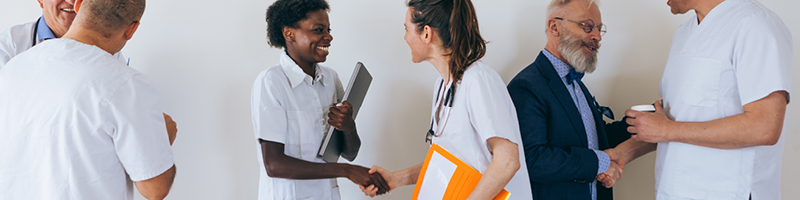
  • National Registry of Emergency Medical Technicians Receives EMS Partnership of the Year Award from American Ambulance Association

    2026-04-23T00:00:00-04:00

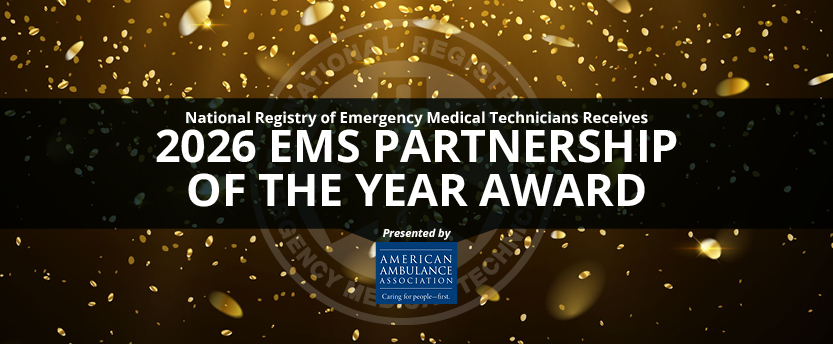
    COLUMBUS, OHIO — The National Registry of Emergency Medical Technicians (National Registry) has been named the recipient of the EMS Partnership of the Year Award by the American Ambulance Association (AAA). The award was presented during the President’s Reception at the AAA Annual Conference & Trade Show, held at the MGM Grand in Las Vegas on April 21, 2026. 

    This national recognition highlights the National Registry’s strong collaboration with AAA and a shared commitment to advancing the EMS profession through partnership, innovation, and a focus on high-quality patient care. The National Registry was recognized for its leadership in supporting EMS through standardized certification and for convening the EMS Association Summit (EAS), which strengthens coordination among state and national stakeholders. 

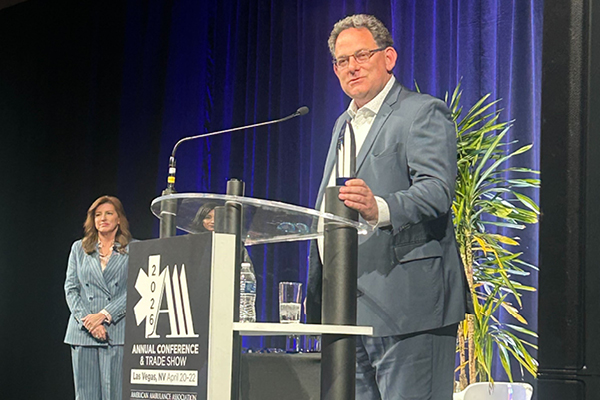
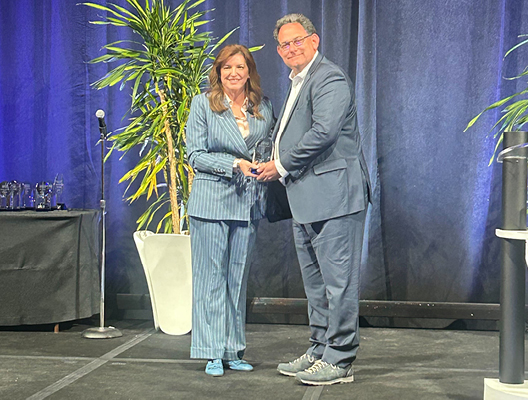
    Scott Gilmore, MD, FACEP, FAEMS, National Registry Board Chair, accepted the award on behalf of the organization from Jamie Pafford-Gresham, President of the American Ambulance Association. 

    “This recognition reflects the strength of collaboration across the EMS community,” said Dr. Gilmore. “Our partnership with the American Ambulance Association demonstrates what is possible when organizations come together with a shared focus on supporting Clinicians, advancing the profession, and ultimately improving patient care.” 

    The AAA Annual Conference & Trade Show brings together leaders from across the mobile healthcare industry to share insights, address challenges, and celebrate excellence in EMS. The EMS Partnership of the Year Award recognizes organizations that demonstrate exceptional collaboration and measurable impact on the advancement of emergency medical services nationwide. 

    The National Registry remains committed to working alongside partners like the AAA to strengthen the EMS profession, support Clinicians at every stage of their careers, and ensure the continued delivery of safe, effective care to communities across the country. 

    AAA-partner-Award-pics2.jpg AAApartnerAward1.jpg

     About the National Registry of Emergency Medical Technicians 

    Guided by our mission to support the EMS profession through partnerships, research, and lifelong assessment of clinical competence, the National Registry was established in 1970 as a non-profit organization and serves as the Nation’s Emergency Medical Services certification organization. It is accredited by the National Commission for Certifying Agencies (NCCA), the accreditation body of the Institute for Credentialing Excellence. The National Registry maintains NCCA accreditation for each of the four certification programs: Emergency Medical Responder (NREMR), Emergency Medical Technician (NREMT), Advanced Emergency Medical Technician (NRAEMT), and Paramedic (NRP). Credentialing protects the public, assures consumers that Clinicians have met standards of practice, advances the EMS profession, and establishes standards of professional knowledge, skills, and practice. Additional information is available at NREMT.org, and BlueSky, TikTok, Facebook, Instagram, LinkedIn, Reddit, and YouTube. 

    Media Contact:
    Kelly Schroeder
    Manager of Integrated Content & Communications 
    kschroeder@nremt.org
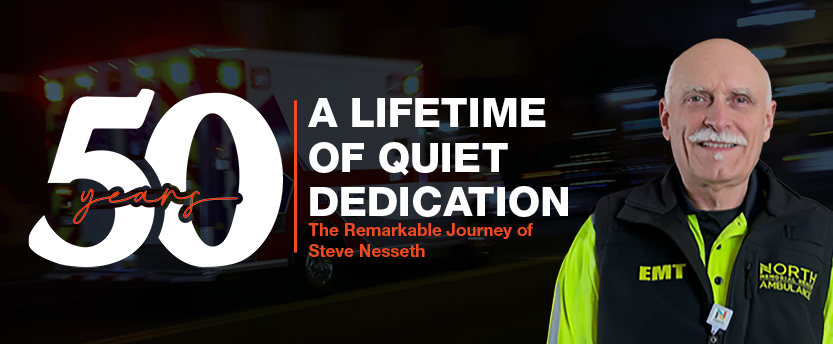
  • A Lifetime of Quiet Dedication: The Remarkable Journey of Steve Nesseth

    2026-03-18T00:00:00+00:00

    For more than half a century, Steve Nesseth has answered the call to help others, not for recognition or reward, but because public service is simply who he is. On March 18, 2026, this extraordinary gentleman will celebrate an incredible milestone: 50 years as a Nationally Registered EMT!

    Steve’s journey in emergency medical services (EMS) began in the early 1970s, at a time when the field looked very different from what it is today. But for Steve, EMS was never about building a career. It was a calling he embraced alongside his regular full-time job.

    EMS has never been how I made a living,” he explained. “It’s a passion.

    In 1973, he first volunteered in his small Minnesota community of Kenyon, responding to emergencies with little more than basic first aid training and a strong desire to help. Ambulance crews were often pieced together through phone trees, equipment was limited, and in some towns, funeral homes still operated the ambulances because no one else would.

    There was just such a need,” Steve recalled. “You raised your hand, and you helped.

    Over time, that need evolved into a dedication. By the mid-1970s, Steve was part of a newly formed, standalone municipal EMS service, separate from police and fire, marking the early development of what we now recognize as modern emergency medicine.

    Memorable Calls and Defining Moments

    Like many Clinicians with decades of experience, Steve remembers some calls more clearly than others. One of his earliest transports involved taking a critically ill patient from a rural community to St. Mary’s Hospital in Rochester, a long drive that would become familiar over the years.

    But one incident, in particular, stands out as a defining moment. While working as a custodian at Carleton College, Steve witnessed a man he knew collapse during a basketball game, a sudden cardiac arrest happening right in front of him. Unlike most arrests Steve had encountered, this one unfolded in real time. He immediately established an airway while others called for help. Fire rescue and ambulance crews arrived quickly, and the patient was defibrillated and transported to the hospital, later making a remarkable recovery.

    The college and the City of Northfield honored Steve for his actions, though he remains characteristically humble about the recognition. “I didn’t think I’d done that much,” he said. “I just did what anyone would have done.”

    Balancing Service and Family Life

    For much of his life, Steve has served as a volunteer EMT and firefighter, a role that demanded significant personal sacrifice. On-call schedules meant missed dinners, leaving church services early, and stepping away from family events at a moment’s notice. In small towns, volunteers often worked entire weekends without compensation unless they were actively on a call.

    It’s a commitment the whole family has to be part of,” Steve explained. “You couldn’t just leave town unless someone could cover for you.

    His daughter Erin described how his service shaped family life. “I remember yelling downstairs to tell him he had a call,” she said. “He would grab the pager and run up to the ambulance garage. Weekends, holidays, even during family visits, he was always ready to drop everything to help someone in need.”

    Despite the challenges, he never questioned whether the commitment was worth it. “EMS has never been about a paycheck,” he explained. “It’s something I do because I love it. I wouldn’t have continued if I didn’t enjoy it.”

    This passion, rather than profession, is a key part of Steve’s story and dedication over the past 50 years.

    How EMS Has Changed

    Few people have witnessed the evolution of EMS as closely as Steve. When he started, oxygen was essentially the only “drug” available to EMTs, and ambulances often arrived at hospitals unannounced because radio communication, though used in larger systems, had not yet reached the rural community where he worked. Today, Steve operates within a major integrated health system, North Memorial Health, supported by advanced equipment, detailed protocols, strong medical direction, and ongoing education. He has seen EMS move from a “load-and-go” model to one focused on on-scene treatment and coordinated patient care.

    “The things paramedics can do now, intubation, medications, cardiac support, we could only dream of 50 years ago,” he said.

    Advocacy and Leadership

    Steve’s impact extended beyond the ambulance. In the 1990s, he was appointed by the Governor of Minnesota to serve on the state’s Emergency Medical Services Regulatory Board, where he advocated for rural EMS Clinicians and expanded the scope of practice for basic life support services. He believes EMS has historically struggled for recognition because it lacks a unified national voice and exists across hospital-based, private, and municipal systems. Still, he remains hopeful about the future as national organizations begin working more closely together.

    What Keeps Him Going

    After 50 years, Steve says his passion for EMS comes down to one simple idea: caring for people on what may be the hardest day of their lives. “The toughest calls aren’t the trauma ones,” he reflected. “It’s the terminal patients who are scared, who are dying, and there’s nothing you can do but talk to them and hold their hand.” That philosophy also shapes the advice he gives to new EMTs, “People don’t care how much we know. They want to know how much we care.”

    A Rare Milestone

    Reaching 50 years of National Registry certification is exceptionally rare, especially in a profession that is only a few decades old. Steve has maintained his National Registry certification throughout his career, not because his employers required it, but because it mattered to him personally. “I earned it,” he said. “I wanted to keep it.”

    As Steve begins to think about passing the torch to the next generation, his legacy is evident in five decades of quiet dedication, steady compassion, and unwavering service to patients and communities across Minnesota. For Steve Nesseth, that has always been enough.


    Media Contact:
    Kelly Schroeder
    Manager of Integrated Content & Communications 
    kschroeder@nremt.org 

    About the National Registry of Emergency Medical Technicians 

    Guided by our mission to support the EMS profession through partnerships, research, and lifelong assessment of clinical competence, the National Registry was established in 1970 as a non-profit organization and serves as the Nation’s Emergency Medical Services certification organization. It is accredited by the National Commission for Certifying Agencies (NCCA), the accreditation body of the Institute for Credentialing Excellence. The National Registry maintains NCCA accreditation for each of the four certification programs: Emergency Medical Responder (NREMR), Emergency Medical Technician (NREMT), Advanced Emergency Medical Technician (NRAEMT), and Paramedic (NRP). Credentialing protects the public, assures consumers that Clinicians have met standards of practice, advances the EMS profession, and establishes standards of professional knowledge, skills, and practice. Additional information is available at NREMT.org, and BlueSky, TikTok, Facebook, Instagram, LinkedIn, Reddit, and YouTube. 

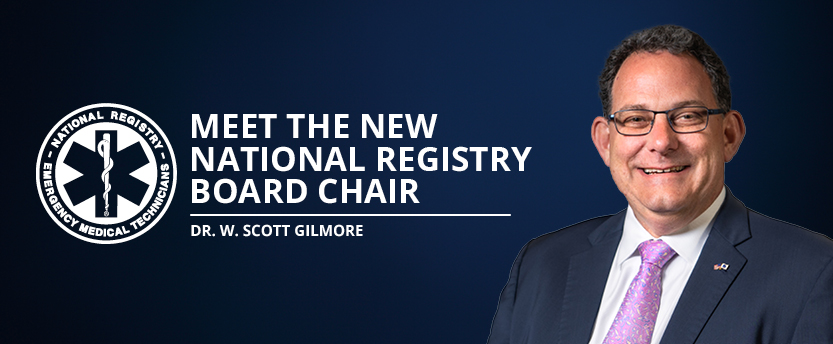
  • National Registry of EMTs Announces W. Scott Gilmore as Board Chair

    2026-03-12T00:00:00-04:00

    COLUMBUS, OHIO — The National Registry of Emergency Medical Technicians (National Registry) and its Board of Directors announced that W. Scott Gilmore, MD, FACEP, FAEMS, has assumed the role of Board Chair. Dr. Gilmore began his term on January 1, 2026, and will serve through December 31, 2027.

    Dr. Gilmore brings more than 30 years of experience in emergency medical services (EMS) as an emergency medical technician (EMT), paramedic, physician, and educator. He is an emergency physician who works at a busy tertiary suburban hospital. In addition, he serves as Medical Director for the St. Louis Fire Department, Affton Fire Protection District, Lemay Fire Protection District, and the Saint Louis Public Schools. Additionally, he is a member of the Abbott EMS Medical Advisory Council. He has authored chapters in both Emergency Medicine and Emergency Medical Textbooks.

    “Dr. Gilmore is a respected leader in EMS medicine and education, and his experience uniquely positions him to help guide the National Registry during an important period of growth and modernization,” said Bill Seifarth, chief executive officer and executive director of the National Registry. “As we continue advancing our examinations, strengthening our technology infrastructure, and expanding our research efforts, Scott’s leadership will be critical in helping move EMS forward while keeping public protection at the center of everything we do.”

    A long-standing advocate for high-quality EMS education and clinical excellence, Dr. Gilmore is a fellow of the National Association of EMS Physicians as well as the American College of Emergency Physicians. In 2012, he received the John P. Pryor, MD, Street Medicine Society Award for his contributions to the field. In 2017, he received the Frank Mitchell Physician of the Year, Missouri EMS Association.

    “It is an honor to serve as Board Chair of the National Registry during this time,” Gilmore said. “The National Registry plays a vital role in protecting the public and supporting the EMS workforce. I look forward to working closely with the Board, staff, and our partners to continue modernizing our programs, advancing evidence-based decision-making, and ensuring that EMS Clinicians are prepared to meet the evolving demands of patient care.”

    Gilmore added that collaboration will be central to his term. “By working together across disciplines and organizations, we can strengthen the EMS profession, support workforce sustainability, and help ensure that communities nationwide receive high-quality emergency medical care when they need it most.”

    Media Contact:
    Kelly Schroeder
    Manager of Integrated Content & Communications 
    kschroeder@nremt.org 
    About the National Registry of Emergency Medical Technicians 

    Guided by our mission to support the EMS profession through partnerships, research, and lifelong assessment of clinical competence, the National Registry was established in 1970 as a non-profit organization and serves as the Nation’s Emergency Medical Services certification organization. It is accredited by the National Commission for Certifying Agencies (NCCA), the accreditation body of the Institute for Credentialing Excellence. The National Registry maintains NCCA accreditation for each of the four certification programs: Emergency Medical Responder (NREMR), Emergency Medical Technician (NREMT), Advanced Emergency Medical Technician (NRAEMT), and Paramedic (NRP). Credentialing protects the public, assures consumers that Clinicians have met standards of practice, advances the EMS profession, and establishes standards of professional knowledge, skills, and practice. Additional information is available at NREMT.org, and BlueSky, TikTok, Facebook, Instagram, LinkedIn, Reddit, and YouTube. 

  • National Registry of EMTs Launches New Podcast “From Science to the Scene”

    2026-03-06

    COLUMBUS, OHIO—The National Registry of Emergency Medical Technicians (National Registry) today launched a new podcast, From Science to the Scene. The short-form podcast will be available on the National Registry website, social media channels, and all major podcast platforms. 

    Produced by the National Registry’s Research Team, From Science to the Scene is designed to help EMS Clinicians quickly understand important new research and evidence-based practices that impact patient care in the field. 

    Each episode will be approximately 10 minutes long and will highlight key findings from current research, helping Clinicians, Educators, and EMS leaders translate emerging science into practical knowledge they can apply on the scene. 

    “New research and scientific literature are constantly emerging, and it can be difficult for busy EMS Clinicians to keep up,” said Chris Gage, EMS Fellow with the National Registry’s Research Team. “This podcast helps break down the most important findings and explains what they mean for EMS Clinicians and their patients.” 

    Episodes will highlight research and guidelines from leading sources, including the Prehospital Guidelines Consortium reading list, American Heart Association updates, emergency medicine journals, and other evidence-based publications relevant to EMS practice. 

    Early topics planned for the podcast include: 

    • TXA use in trauma care 

    • Airway management 

    • Response considerations for mass casualty incidents 

    • Long bone fracture management 

    • Racial disparities in emergency care 

    • Other emerging evidence and research impacting EMS practice 

    New episodes of From Science to the Scene will be released every other Friday, alternating with the National Registry’s Research Friday content series. The podcast will also be supported by short-form video clips across all National Registry social media platforms, making it easy for EMS Clinicians to access key research insights in multiple formats. 

    The podcast will serve as a valuable resource not only for frontline Clinicians but also for EMS Educators, Program Directors, Medical Directors, and State Regulators who rely on current evidence to guide education, protocols, and system design. 

    The first episode of From Science to the Scene launches today, Friday, March 6. 


    Media Contact:
    Kelly Schroeder
    Manager of Integrated Content & Communications 
    kschroeder@nremt.org
     

    About the National Registry of Emergency Medical Technicians 

    The National Registry, established in 1970 as a non-profit organization, is the Nation’s Emergency Medical Services Certification organization. The National Registry is accredited by the National Commission for Certifying Agencies (NCCA), the accreditation body of the Institute for Credentialing Excellence. The National Registry maintains NCCA accreditation for each of the four certification programs: Emergency Medical Responder (NREMR), Emergency Medical Technician (NREMT), Advanced Emergency Medical Technician (NRAEMT), and Paramedic (NRP). Credentialing protects the public, assures consumers that professionals have met standards of practice, advances the EMS profession, and establishes standards of professional knowledge, skills, and practice. Additional information is available at NREMT.org and LinkedIn, Facebook, Instagram, YouTube, Reddit, TikTok, and X. 


  • Inaugural EMS Association Summit a National Success, Bringing Leaders Together

    2026-03-03T00:00:00-05:00

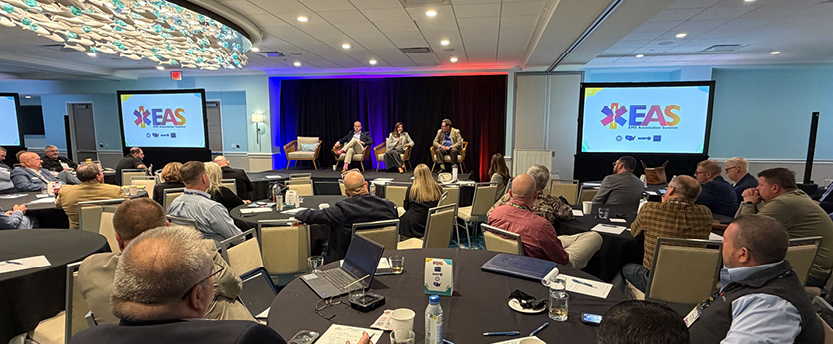
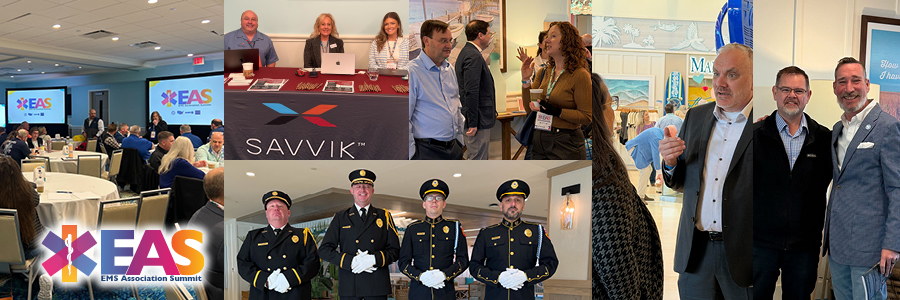
    KANSAS CITY, KS—The first-ever EMS Association Summit (EAS), held February 17–19 at the Margaritaville Hotel, brought together key figures in emergency medical services (EMS) from across the nation for a dynamic gathering of collaboration, conversation, and connection. The sold-out event highlighted the profession’s need for a space where EMS leaders, board members, and stakeholders can exchange ideas, tackle challenges, and learn from one another. 

    Attendees participated in sessions on workforce resilience, operational efficiency, advocacy, regulatory updates, innovations in critical care, and more. Beyond formal programming, mixers, happy hours, and structured networking created opportunities for leaders from different EMS associations to connect, forge new relationships, and lay the groundwork for partnerships extending well beyond the summit. 

    The summit was designed and hosted by the National Registry of EMTs (National Registry), the National Association of Emergency Medical Technicians (NAEMT), the American Ambulance Association (AAA), and the State EMS Association Networking Group, providing a national platform to strengthen the profession’s collective voice and drive meaningful progress.  

    EAS-MixPix2.jpg

    “This was about more than a conference. It was about creating one voice for the EMS profession,” said Bill Seifarth, executive director and CEO of the National Registry. “When we speak together, our credibility increases, our influence expands, and our ability to drive meaningful change becomes far more powerful.” 

    The summit opened with a coordinated welcome from national leaders, including AAA President Jamie Pafford-Gresham, NAEMT President Chris Way, and National Registry Board Chair Dr. Scott Gilmore, followed by greetings from the state host, Chrissy Bartel, president of the Kansas EMS Association. The Kansas City Fire Department presented the colors for the Pledge of Allegiance, establishing a meaningful and ceremonial start.

    Leaders emphasized that while each association carries its own mission, coming together around shared priorities creates something bigger than any one organization can achieve alone. Throughout the summit, participants engaged in keynotes, breakout sessions, and roundtables, openly sharing successes, challenges, and lessons learned. Discussions connected everyday EMS practice to the profession’s core values and long-term vision. 

    State EMS associations were recognized as essential drivers of national progress, addressing workforce stress, funding gaps, and Clinician wellbeing while advancing meaningful advocacy. Speakers reinforced that coordinated messaging and strong partnerships are essential to strengthening influence across legislation, operations, financial sustainability, and public trust, ensuring the EMS profession moves forward with clarity and purpose. 

    Adding a unique perspective, attendees enjoyed a special screening of Code 3, followed by a meet-and-greet with co-writer Patrick Pianezza, blending real-world EMS storytelling with inspiration and laughter.  

    By the conclusion of the summit, participants had formed new relationships, discovered fresh approaches, and strengthened partnerships that will shape policy, governance, and operational change in EMS for years to come. This momentum is expected to carry into upcoming national initiatives, including EMS on the Hill, March 25–26, in Washington, D.C.  

    The inaugural EMS Association Summit set a new standard for national collaboration. It was a platform to learn, innovate, and build unity, leaving participants with a renewed sense of purpose and excitement for the EMS profession’s future. Planning for the 2027 summit is already underway, with the EMS community poised to move forward united, with a clear purpose, a powerful voice, and the organization to make real impact. 

    If you are interested in learning more about the 2027 EMS Association Summit, sign up for information and updates. 

    EAS-MixPix.jpg


    Media Contact:
    Kelly Schroeder
    Manager of Integrated Content & Communications 
    kschroeder@nremt.org 
    About the National Registry of Emergency Medical Technicians 

    Guided by our mission to support the EMS profession through partnerships, research, and lifelong assessment of clinical competence, the National Registry was established in 1970 as a non-profit organization and serves as the Nation’s Emergency Medical Services certification organization. It is accredited by the National Commission for Certifying Agencies (NCCA), the accreditation body of the Institute for Credentialing Excellence. The National Registry maintains NCCA accreditation for each of the four certification programs: Emergency Medical Responder (NREMR), Emergency Medical Technician (NREMT), Advanced Emergency Medical Technician (NRAEMT), and Paramedic (NRP). Credentialing protects the public, assures consumers that Clinicians have met standards of practice, advances the EMS profession, and establishes standards of professional knowledge, skills, and practice. Additional information is available at NREMT.org, and BlueSky, TikTok, Facebook, Instagram, LinkedIn, Reddit, and YouTube.